LÄS MER OM PRODUKTENProduktinformation
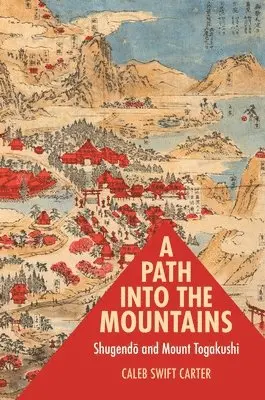
Shugendō has been an object of fascination among scholars and the general public, yet its historical development remains an enigma. This book offers a provocative reexamination of the social, economic, and spiritual terrain from which this mountain religious system arose. Caleb Carter traces Shugendō through the mountains of Togakushi (Nagano Prefecture), while situating it within the religious landscape of medieval and early modern Japan. His is the first major study to view Shugendō as a self-conscious religious system-something that was historically emergent but conceptually distinct from the prevailing Buddhist orders of medieval Japan. Beyond Shugendō, his work rethinks a range of issues in the history of Japanese religions, including exclusionary policies toward women, the formation of Shintō, and religion at the social and geographical margins of the Japanese archipelago.Carter takes a new tack in the study of religions by tracking three recurrent and intersecting elements-institution, ritual, and narrative. Examination of origin accounts, temple records, gazetteers, and iconography from Togakushi demonstrates how practitioners implemented storytelling, new rituals and festivals, and institutional measures to merge Shugendō with their mountain's culture while establishing social legitimacy and economic security. Indicative of early modern trends, the case of Mount Togakushi reveals how Shugendō moved from a patchwork of regional communities into a translocal system of national scope, eventually becoming Japan's signature mountain religion.