LÄS MER OM PRODUKTENProduktinformation
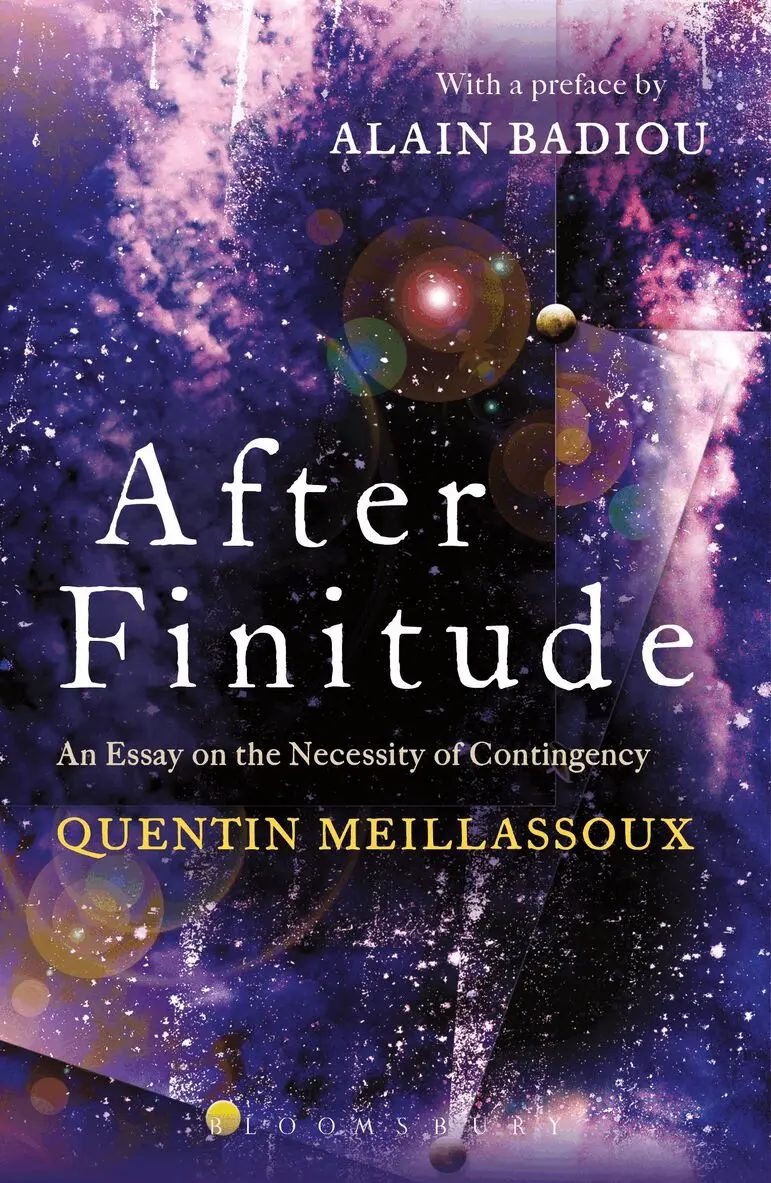
This book is now available for the first time in paperback, the remarkable debut of a former student of Alain Badiou. Quentin Meillassoux, a former student of Alain Badiou, is considered to be one of the most talented and exciting new voices in contemporary French philosophy. Quentin Meillassoux's remarkable debut makes a strikingly original contribution to contemporary French philosophy and is set to have a significant impact on the future of Continental philosophy. Written in a style that marries great clarity of expression with argumentative rigour, "After Finitude" provides bold readings of the history of philosophy and sets out a devastating critique of the unavowed fideism at the heart of post-Kantian philosophy. Meillassoux introduces a startlingly novel philosophical alternative to the forced choice between dogmatism and critique. "After Finitude" proposes a new alliance between philosophy and science and calls for an unequivocal halt to the creeping return of religiosity in contemporary philosophical discourse.The exceptional lucidity and the centrality of argument in Meillassoux's writing should appeal to Analytic as well as Continental philosophers, while his critique of fideism will be of interest to anyone preoccupied by the relation between philosophy, theology and religion.