LÄS MER OM PRODUKTENProduktinformation
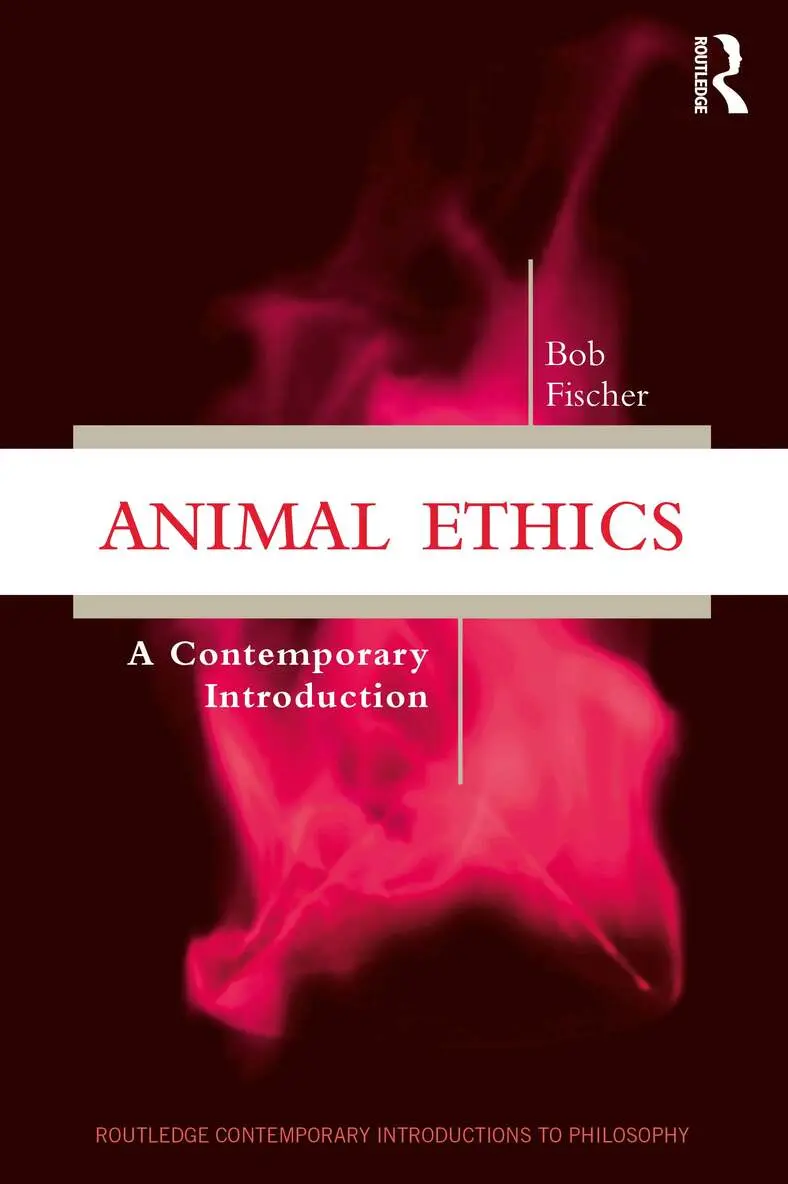
There are many introductions to the animal ethics literature. There aren't many introductions to the practice of doing animal ethics. Bob Fischer's Animal Ethics: A Contemporary Introduction fills that gap, offering an accessible model of how animal ethics can be done today. The book takes up classic issues, such as the ethics of eating meat and experimenting on animals, but tackles them in an empirically informed and nuanced way. It also covers a range of relatively neglected issues in animal ethics, such as the possibility of insect sentience and the ethics of dealing with pests. Finally, the book doesn't assess every current practice using standard ethical theories, but tries to evaluate some of them using the moral frameworks endorsed by those involved. So, for instance, there is a chapter on the way that animal care and use committees try to justify some of the educational uses of animals, and the chapter on zoos considers the way that international zoological societies justify compromising animal welfare. The book wraps up with a discussion of the future of animal ethics. Each chapter opens with a helpful initial overview of the chapter and ends with a list of suggested readings to help students go further on their own.Key Features:Covers animal ethics from an empirically informed perspective, bringing philosophy into conversation with key issues in animal science, conservation biology, economics, ethology, and legal studies, among other fieldsProvides ample coverage of the most salient current topics, including, for example:Debates about which animals are sentientThe suffering of wild animalsResearch ethicsThe boundaries of activism Avoids suggesting that animal ethics is simply the practice of applying the right general theory to a problem, instead allowing readers to first work out the specific costs and benefits of making ethical decisionsImpresses upon the reader the need for her to work out for herself the best way forward with difficult ethical issues, suggesting that progress can indeed be madeIncludes summaries and recommended readings at the end of each chapter