LÄS MER OM PRODUKTENProduktinformation
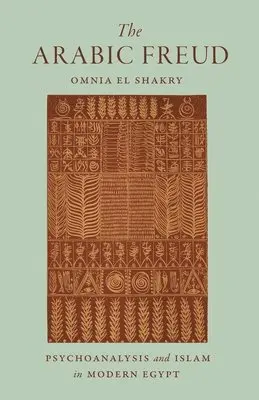
The first in-depth look at how postwar thinkers in Egypt mapped the intersections between Islamic discourses and psychoanalytic thoughtIn 1945, psychologist Yusuf Murad introduced an Arabic term borrowed from the medieval Sufi philosopher and mystic Ibn 'Arabi-al-la-shu'ur-as a translation for Sigmund Freud's concept of the unconscious. By the late 1950s, Freud's Interpretation of Dreams had been translated into Arabic for an eager Egyptian public. In The Arabic Freud, Omnia El Shakry challenges the notion of a strict divide between psychoanalysis and Islam by tracing how postwar thinkers in Egypt blended psychoanalytic theories with concepts from classical Islamic thought in a creative encounter of ethical engagement.Drawing on scholarly writings as well as popular literature on self-healing, El Shakry provides the first in-depth examination of psychoanalysis in Egypt and reveals how a new science of psychology-or "science of the soul," as it came to be called-was inextricably linked to Islam and mysticism. She explores how Freudian ideas of the unconscious were crucial to the formation of modern discourses of subjectivity in areas as diverse as psychology, Islamic philosophy, and the law. Founding figures of Egyptian psychoanalysis, she shows, debated the temporality of the psyche, mystical states, the sexual drive, and the Oedipus complex, while offering startling insights into the nature of psychic life, ethics, and eros.This provocative and insightful book invites us to rethink the relationship between psychoanalysis and religion in the modern era. Mapping the points of intersection between Islamic discourses and psychoanalytic thought, it illustrates how the Arabic Freud, like psychoanalysis itself, was elaborated across the space of human difference.