LÄS MER OM PRODUKTENProduktinformation
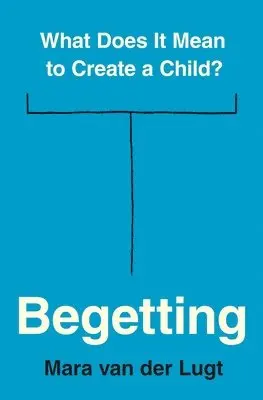
An investigation of what it means to have children-morally, philosophically and emotionally"Do you want to have children?" is a question we routinely ask each other. But what does it mean to create a child? Is this decision always justified? Does anyone really have the moral right to create another person? In Begetting, Mara van der Lugt attempts to fill in the moral background of procreation. Drawing on both philosophy and popular culture, van der Lugt does not provide a definitive answer on the morality of having a child; instead, she helps us find the right questions to ask.Most of the time, when we talk about whether to have children, what we are really talking about is whether we want to have children. Van der Lugt shows why this is not enough. To consider having children, she argues, is to interrogate our own responsibility and commitments, morally and philosophically and also personally. What does it mean to bring a new creature into the world, to decide to perform an act of creation? What does it mean to make the decision that life is worth living on behalf of a person who cannot be consulted? These questions are part of a conversation we should have started long ago. Van der Lugt does not ignore the problematic aspects of procreation-ethical, environmental and otherwise. But she also acknowledges the depth and complexity of the intensely human desire to have a child of our own blood and our own making.