LÄS MER OM PRODUKTENProduktinformation
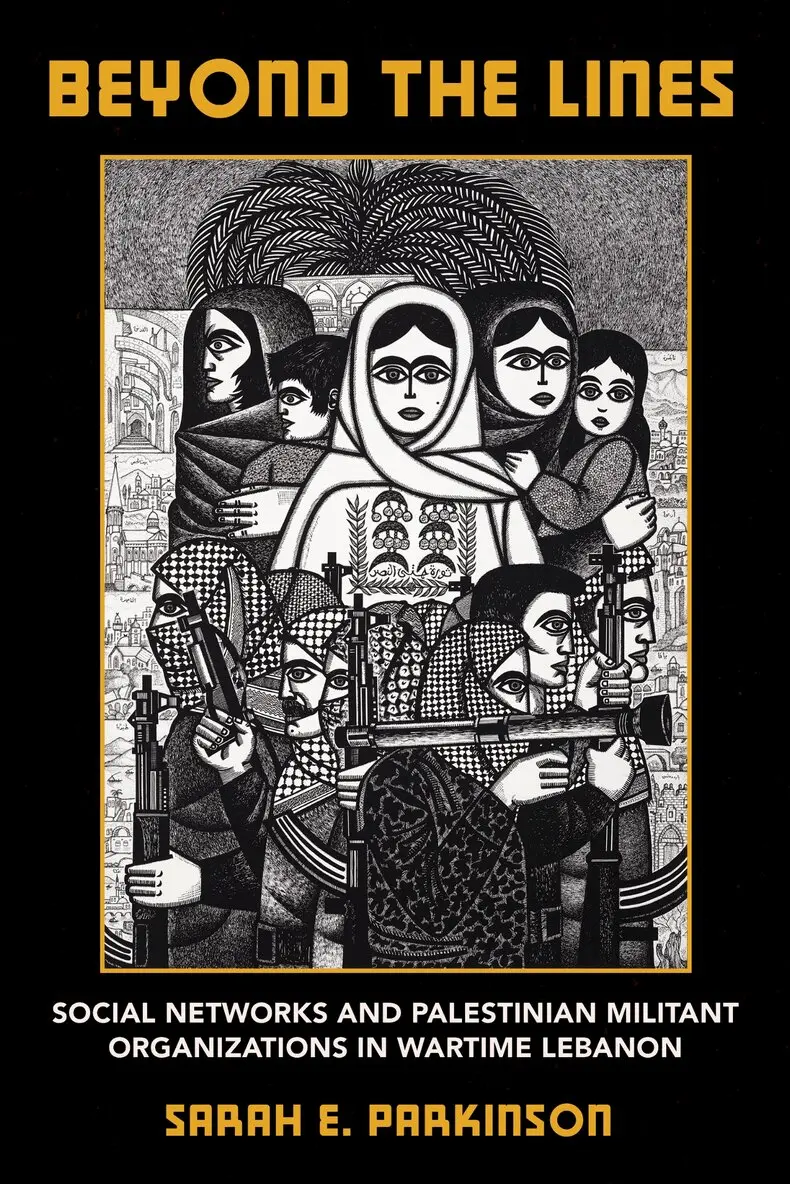
Beyond the Lines explores the social underpinnings of rebel adaptation and resilience. How do rebel groups cope with crises such as repression, displacement, and fragmentation? What explains changes in militant organizations' structures and behaviors over time? Drawing on nearly two years of ethnographic research, Sarah E. Parkinson traces shifts in Palestinian militant groups' internal structures and practices during the civil war of 1975 to 1990 and foreign occupations of Lebanon. She shows that most militants approach asymmetrical warfare as a series of challenges centered around information and logistics, characterized by problems such as supplying constantly mobile forces, identifying collaborators, disrupting rival belligerents' operations, and providing essential services like healthcare. Effective negotiation of these challenges contributes to militant organizations' resilience and survival. In this context, the foundation of rebel resilience lies with militants' ability to repurpose their everyday social networks to organizational ends. In the Lebanese setting, Beyond the Lines demonstrates how regionalized differences in Israeli, Syrian, and Lebanese deployment of violence triggered distinct social network responses that led to divergent organizational outcomes for Palestinian militants.