LÄS MER OM PRODUKTENProduktinformation
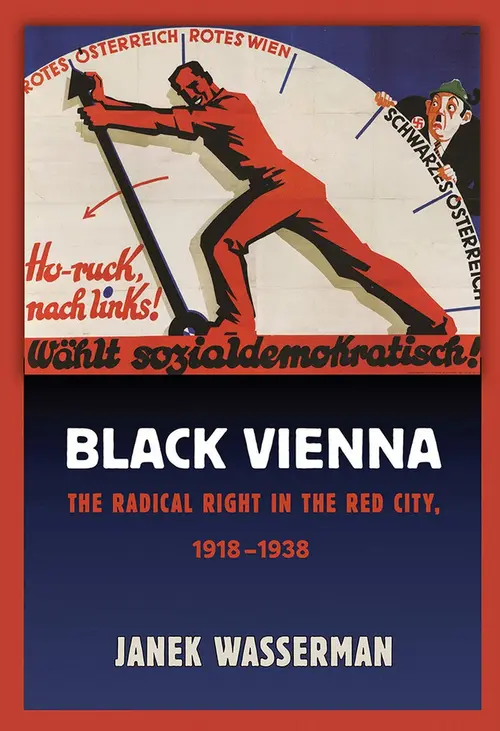
Interwar Vienna was considered a bastion of radical socialist thought, and its reputation as "Red Vienna" has loomed large in both the popular imagination and the historiography of Central Europe. However, as Janek Wasserman shows in this book, a "Black Vienna" existed as well; its members voiced critiques of the postwar democratic order, Jewish inclusion, and Enlightenment values, providing a theoretical foundation for Austrian and Central European fascist movements. Looking at the complex interplay between intellectuals, the public, and the state, he argues that seemingly apolitical Viennese intellectuals, especially conservative ones, dramatically affected the course of Austrian history. While Red Viennese intellectuals mounted an impressive challenge in cultural and intellectual forums throughout the city, radical conservatism carried the day. Black Viennese intellectuals hastened the destruction of the First Republic, facilitating the establishment of the Austrofascist state and paving the way for Anschluss with Nazi Germany. Closely observing the works and actions of Viennese reformers, journalists, philosophers, and scientists, Wasserman traces intellectual, social, and political developments in the Austrian First Republic while highlighting intellectuals' participation in the growing worldwide conflict between socialism, conservatism, and fascism. Vienna was a microcosm of larger developments in Europe-the rise of the radical right and the struggle between competing ideological visions. By focusing on the evolution of Austrian conservatism, Wasserman complicates post-World War II narratives about Austrian anti-fascism and Austrian victimhood.