LÄS MER OM PRODUKTENProduktinformation
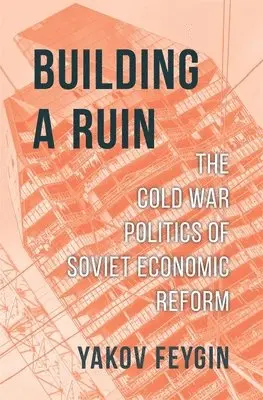
A masterful account of the global Cold War's decisive influence on Soviet economic reform, and the national decay that followed.What brought down the Soviet Union? From some perspectives the answers seem obvious, even teleological-communism was simply destined to fail. When Yakov Feygin studied the question, he came to another conclusion: at least one crucial factor was a deep contradiction within the Soviet political economy brought about by the country's attempt to transition from Stalinist mass mobilization to a consumer society.Building a Ruin explores what happened in the Soviet Union as institutions designed for warfighting capacity and maximum heavy industrial output were reimagined by a new breed of reformers focused on "peaceful socioeconomic competition." From Khrushchev on, influential schools of Soviet planning measured Cold War success in the same terms as their Western rivals: productivity, growth, and the availability of abundant and varied consumer goods. The shift was both material and intellectual, with reformers taking a novel approach to economics. Instead of trumpeting their ideological bona fides and leveraging their connections with party leaders, the new economists stressed technical expertise. The result was a long and taxing struggle for the meaning of communism itself, as old-guard management cadres clashed with reformers over the future of central planning and the state's relationship to the global economic order.Feygin argues that Soviet policymakers never resolved these tensions, leading to stagnation, instability, and eventually collapse. Yet the legacy of reform lingers, its factional dynamics haunting contemporary Russian politics.