LÄS MER OM PRODUKTENProduktinformation
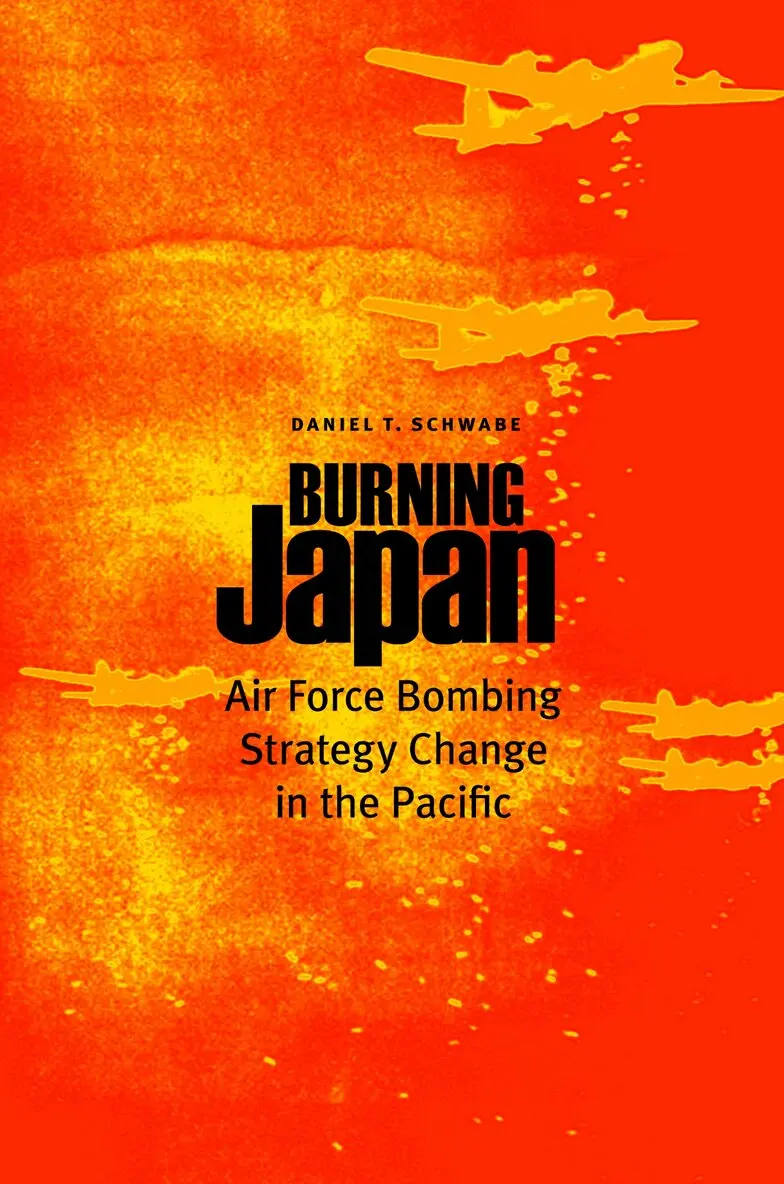
Between the grinding battles of the Philippines, Iwo Jima, and Okinawa and the finality of the atomic bomb strikes on Hiroshima and Nagasaki, the U.S. Air Force conducted a bombing campaign against the Japanese home islands that escalated to new levels of destruction. Burning Japan is an investigation of how and why the air force shifted its tactics against Japan from a precision bombing strategy to area attacks. The guiding doctrine of the 1930s and 1940s called for focused attacks on specific targets deep behind enemy lines. Eager to prove itself, the nascent Army Air Force at first lauded the indispensability of strategic bombardment in areas otherwise unreachable by the army or navy. But when strategic bombing failed to yield the desired results in Europe and in initial efforts against Japan, the United States switched tactics, a shift that culminated in the area firebombing of nearly every major Japanese metropolis and the burning of sixty-six cities to the ground. Daniel T. Schwabe closely examines the planning and implementation of these incendiary missions to determine how an organization dedicated to precision decided on such a dramatic change in tactics. Ultimately, Schwabe maintains, this strategic reimagining helped create a comprehensive offensive strategy that did immense amounts of destruction which crippled Japan and brought an end to World War II.