LÄS MER OM PRODUKTENProduktinformation
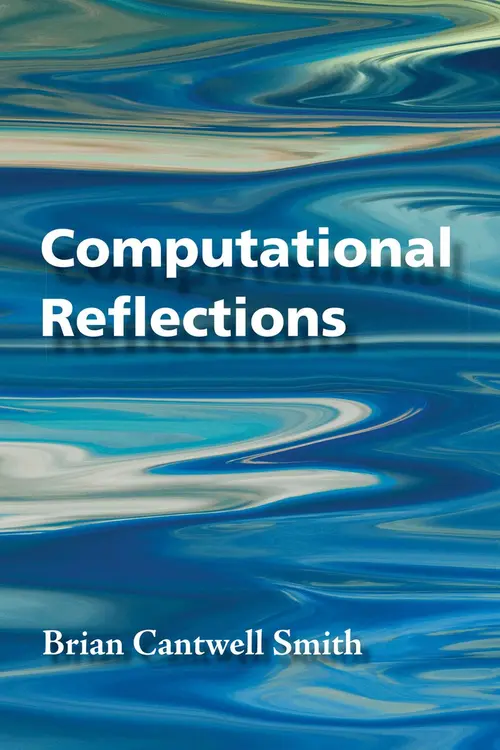
A groundbreaking critique of the philosophical foundations of computing.Computational Reflections is a wholly original investigation into the philosophical foundations of computing. The author's lifetime of work is distilled into this volume, which explores what it means to compute.The standard theoretical foundations of computer science address the fundamental concept of "mechanism" but almost completely ignore the crucial role of "meaning" in any computational practice. Cantwell Smith takes the reader through these missing foundational gaps, including a historical analysis of why the field has reached its current state.Despite its lack of treatment of semantics ("meaning"), computer science has borrowed and adopted semantic vocabulary to refer to mechanistic concepts, thus aggravating confusion within and without the field, especially so in philosophy, cognitive science, and contemporary artificial intelligence. This book's arguments help to illustrate why computer science theory has almost nothing to say about "computation in the wild"-or the real-world practice of programmers and engineers who design the software and devices that we all use. The author argues that a true account of computation must do justice to the incredible complexity juggled by programmers in creating software that works, and he offers not only criticism but also directions for a successor account of computing.