LÄS MER OM PRODUKTENProduktinformation
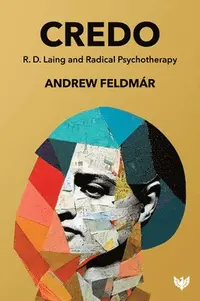
Tamás Vekerdy, one of the most well-known Hungarian psychologists, called Credo an 'essential insight not just into Feldmár's life but into the world and the era that we currently live in.'Feldmár was three and a half years old when the Arrow Cross came and took his mother to Auschwitz, his father to labour service, and his grandmother to the ghetto. A young Catholic woman hid him for a year and a half - perhaps she inspired Feldmár to become the kind stranger in many other people's lives years later. Feldmár was sixteen in 1956 when the revolution was crushed, and he escaped from Hungary to Canada all by himself. He fled from bleak prospects and a controlling, critical mother into the unknown. He ended up in Toronto, Canada, and became an academic. In the early 1970s, he met the person who radically changed his thinking: R. D. Laing.The book's longest chapter, 'Journal Entries', comes from notes Feldmár took in 1974-1975 when he studied with Laing in London. He adds notes and remarks in the present to the past, increasing the tension in the already fascinating passages. Following this is the text of an important conversation with Laing, covering topics such as love, therapy, and change. Next is a paper by his lifelong friend Francis Huxley, 'Shamanism, Healing, and R. D. Laing'. The book concludes with perhaps its most influential chapter, 'Fantasy and Reality'. Here, Feldmár speculates on the fundamental elements of his approach to psychotherapy: the nature of responsibility and ethics, politics, freedom, individuality, community, solidarity, will, and relationships.The bond between Feldmár and Laing permeates every page of Credo. The reader can closely follow Feldmár's remarkable journey of how their relationship shaped his therapeutic approach and helped him develop into the radical and inspirational psychotherapist he is today. This book is essential reading for all psychotherapists, psychoanalysts, and fans of R. D. Laing.