LÄS MER OM PRODUKTENProduktinformation
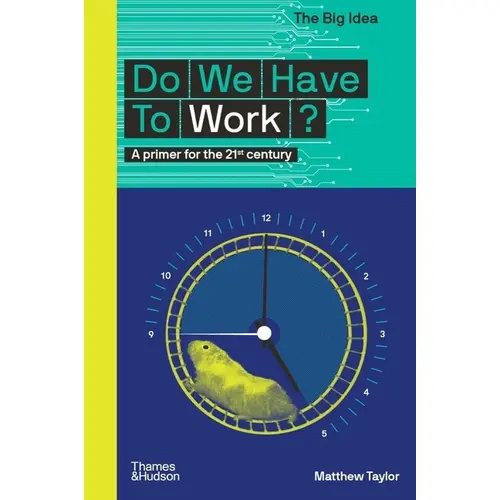
Work allows us to pay the bills. The practical and conceptual divide between work and leisure profoundly shapes our lives. Work is where many of us derive our status and our sense of purpose. Work is so much part of our lives and our culture that we have internalized beliefs about its value and have built our economies and lives around those beliefs. This book reviews how the meaning, status and structure of work have changed across history and cultures. Amidst the Covid-19 crisis, the growth of AI and the climate emergency, it questions the need for the 'growth escalator', in which society relies on continuous growth to flourish, and suggests that we should find ways to step off or at least slow down the 'hedonic treadmill', in which we crave ever more goods only to tire of them ever more quickly. This book posits that we are approaching a new era of work. It outlines some of the factors that might lead to change, including the adoption of forms of universal basic income, the growth of the zero- or low-cost economy (renewable energy, user-generated content, community mutual support), and the growth of self-employment and quasi-autonomous ways of working (including from home) in organizations. It concludes that such changes might foster a more fundamental shift: a growing intolerance to the idea of work as a burden and a desire to transform it from something imposed on us into simply the means by which we live our best lives together, recreating in modern conditions with modern resources, a prehistoric unity between being and working.With 190 illustrations in colour