LÄS MER OM PRODUKTENProduktinformation
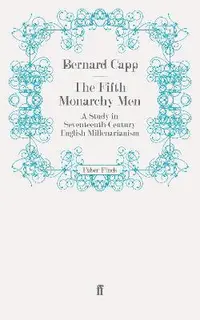
In The Fifth Monarchy Men (Faber, 1972), Professor Capp places the movement in the context of the rise of millenarian thought in Europe from the Reformation and its rapid spread in England during the Civil Wars. For many radicals, the execution of King Charles cleared the way for King Jesus, and heralded the establishment of a revolutionary millennium. The apparent apostasy of the Rump Parliament and Oliver Cromwell channelled part of the wave of millenarian feeling into the formation of a specific sect. This first comprehensive study of the Fifth Monarchists movement traces its history and examines its social, political, legal and religious proposals. Although it had the support of some gentry and army officers, it was essentially an urban movement of artisans, apprentices, and even labourers, reaching lower down the social scale than any contemporary radical movement, with the possible exception of the Diggers. Professor Capp discusses its structure, and its relationship to other revolutionary sects, notably the Levellers and Quakers. He analyses the social, political and economic programmes of the self-styled saints which, though revolutionary, were elitist rather than equalitarian. The Fifth Monarchists' militant foreign policy was shaped by the twofold consideration of exporting the revolution and of strengthening the position of English trade. Their much-derided call for the re-establishment of the Mosaic Code is the culmination of a long tradition of such thinking amongst Puritan and earlier writers.Appendices provide biographies of almost 280 Fifth Monarchists and the location of all known Fifth Monarchist groups.