LÄS MER OM PRODUKTENProduktinformation
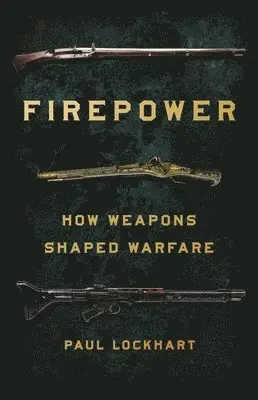
The history of warfare cannot be fully understood without considering the technology of killing. In Firepower, acclaimed historian Paul Lockhart tells the story of military technology from the Renaissance to the dawn of the atomic era -- five-hundred-year-long "age of firepower" during which the evolution of weaponry transformed the conduct of warfare in the West.Weapons technology had always influenced warfare. But the introduction of gunpowder weapons at the close of the Middle Ages made military technology the largest single factor shaping warfare's tactics, strategy, and logistics. Over the five centuries leading up to World War II, the art of war revolved around the ever-more-effective delivery of firepower, and the driving force of weapons development was the compulsion to make that possible. But for centuries, even as it became more effective, military weaponry remained simple and affordable enough that nearly any state could afford to equip a respectable army; weapons could be used and used again until they physically wore out. That all changed, very suddenly, around 1870. Widespread industrialization and rapid advances in metallurgy and chemistry meant that by the start of World War I, only a handful of great powers could afford to manufacture their own weapons. Revolutions in military technology, in short, triggered a revolution in the structure of power in the West, significantly reducing the number of nations that could act assertively in international politics -- and reducing the others to a condition of permanent subordination.Going beyond the battlefield to consider the profound political and social contexts of armed conflict, Firepower ultimately reveals how the evolution of weapons technology, and the uses to which it has been put, have together transformed human history.