LÄS MER OM PRODUKTENProduktinformation
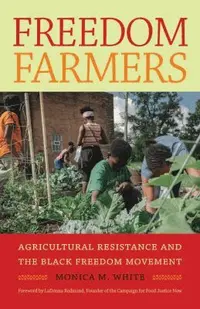
In May 1967, internationally renowned activist Fannie Lou Hamer purchased forty acres of land in the Mississippi Delta, launching the Freedom Farms Cooperative (FFC). A community-based rural and economic development project, FFC would grow to over 600 acres, offering a means for local sharecroppers, tenant farmers, and domestic workers to pursue community wellness, self-reliance, and political resistance. Life on the cooperative farm presented an alternative to the second wave of northern migration by African Americans--an opportunity to stay in the South, live off the land, and create a healthy community based upon building an alternative food system as a cooperative and collective effort.Freedom Farmers expands the historical narrative of the black freedom struggle to embrace the work, roles, and contributions of southern black farmers and the organizations they formed. Whereas existing scholarship generally views agriculture as a site of oppression and exploitation of black people, this book reveals agriculture as a site of resistance and provides a historical foundation that adds meaning and context to current conversations around the resurgence of food justice/sovereignty movements in urban spaces like Detroit, Chicago, Milwaukee, New York City, and New Orleans.