LÄS MER OM PRODUKTENProduktinformation
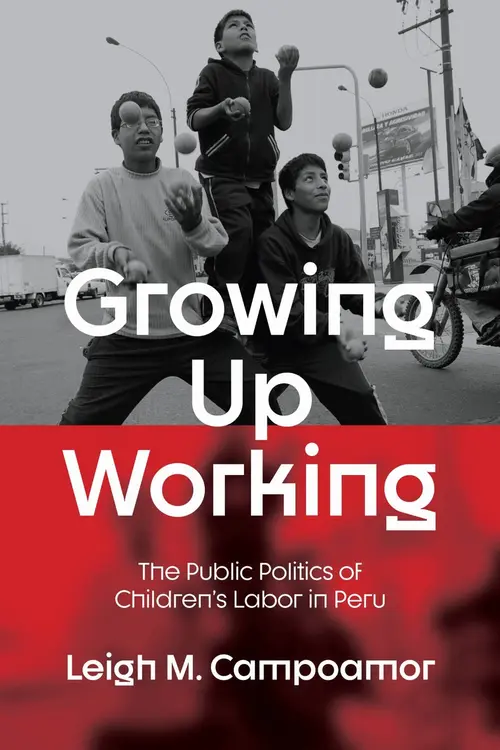
A deep ethnography on children who work in Lima, Peru, and a critique of the global anti-child labor effort.Children juggling at traffic lights and selling candy from car to car are ubiquitous in Lima, Peru's capital, making the country a hotspot for child labor reformers. Even when the intentions behind the anti-child labor movement are benevolent, in practice this effort affects children and their families in unexpected and often harmful ways.Anthropologist Leigh Campoamor argues that the concept of child labor is stuck in an industrial-era framing that fails to capture the reality of working youth in the global south today. Following children who work on Lima's streets through their daily routines, Campoamor shows how these youth-and often their mothers-become subjects of moral intervention by state institutions, NGOs, and the general public. Arguing that reformers reinforce hierarchies of race, class, gender and age in the name of children's rights, Growing Up Working shows how working youth assert agency while also performing invisible caring and affective labor that doesn't count as work under neoliberal capitalism. Campoamor follows the children at the center of her ethnography into adulthood, providing an intimate and dynamic portrait of their lives while critiquing the ways anti-child labor discourses imagine working children's futures.