LÄS MER OM PRODUKTENProduktinformation
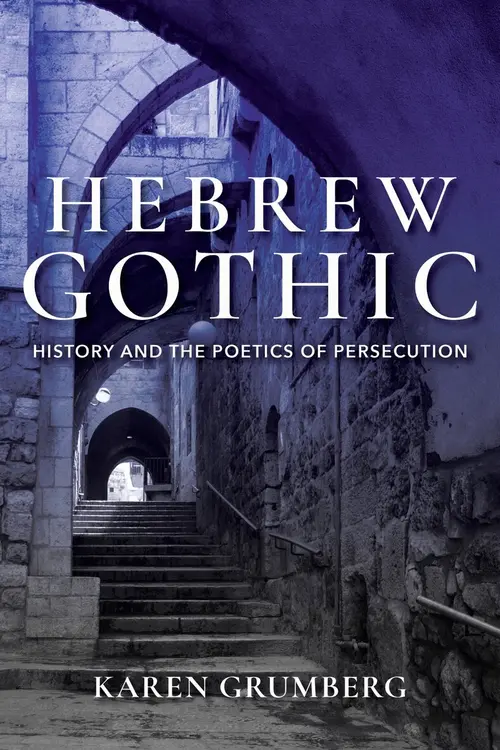
Sinister tales written since the early 20th century by the foremost Hebrew authors, including S. Y. Agnon, Leah Goldberg, and Amos Oz, reveal a darkness at the foundation of Hebrew culture. The ghosts of a murdered Talmud scholar and his kidnapped bride rise from their graves for a nocturnal dance of death; a girl hidden by a count in a secret chamber of an Eastern European castle emerges to find that, unbeknownst to her, World War II ended years earlier; a man recounts the act of incest that would shape a trajectory of personal and national history. Reading these works together with central British and American gothic texts, Karen Grumberg illustrates that modern Hebrew literature has regularly appropriated key gothic ideas to help conceptualize the Jewish relationship to the past and, more broadly, to time. She explores why these authors were drawn to the gothic, originally a European mode associated with antisemitism, and how they use it to challenge assumptions about power and powerlessness, vulnerability and violence, and to shape modern Hebrew culture. Grumberg provides an original perspective on Hebrew literary engagement with history and sheds new light on the tensions that continue to characterize contemporary Israeli cultural and political rhetoric.