LÄS MER OM PRODUKTENProduktinformation
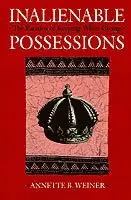
"Inalienable Possessions" tests anthropology's traditional assumptions about kinship, economics, power, and gender in an exciting challenge to accepted theories of reciprocity and marriage exchange. Focusing on Oceania societies from Polynesia to Papua New Guinea and including Australian Aborigine groups, Annette Weiner investigates the category of possessions that must not be given or, if they are circulated, must return finally to the giver. Reciprocity, she says, is only the superficial aspect of exchange, which overlays much more politically powerful strategies of 'keeping-while-giving'. The idea of keeping-while-giving places women at the heart of the political process, however much that process may vary in different societies, for women possess a wealth of their own that gives them power. Power is intimately involved in cultural reproduction, and Weiner describes the location of power in each society, showing how the degree of control over the production and distribution of cloth wealth coincides with women's rank and the development of hierarchy in the community.Other inalienable possessions, whether material objects, landed property, ancestral myths, or sacred knowledge, bestow social identity and rank as well. Calling attention to their presence in Western history, Weiner points out that her formulations are not limited to Oceania. The paradox of keeping-while-giving is a concept certain to influence future developments in ethnography and the theoretical study of gender and exchange.