LÄS MER OM PRODUKTENProduktinformation
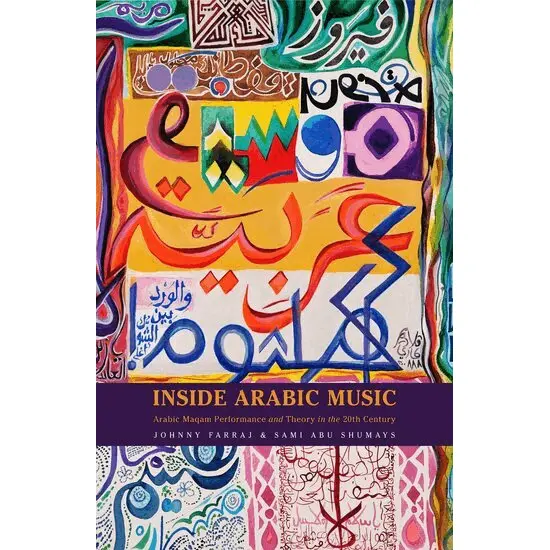
What makes hundreds of listeners cheer ecstatically at the same instant during a live concert by Egyptian diva Umm Kulthum? What is the unspoken language behind a taqsim (traditional instrumental improvisation) that performers and listeners implicitly know? How can Arabic music be so rich and diverse without resorting to harmony? Why is it so challenging to transcribe Arabic music from a recording? Inside Arabic Music answers these and many other questions from the perspective of two "insiders" to the practice of Arabic music, by documenting a performance culture and a know-how that is largely passed on orally. Arabic music has spread across the globe, influencing music from Greece all the way to India in the mid-20th century through radio and musical cinema, and global popular culture through Raqs Sharqi, known as "Bellydance" in the West. Yet despite its popularity and influence, Arabic music, and the maqam scale system at its heart, remain widely misunderstood. Inside Arabic Music de-mystifies maqam with an approach that draws theory directly from practice, and presents theoretical insights that will be useful to practitioners, from the beginner to the expert - as well as those interested in the related Persian, Central Asian, and Turkish makam traditions. Inside Arabic Music's discussion of maqam and improvisation widens general understanding of music as well, by bringing in ideas from Saussurean linguistics, network theory, and Lakoff and Johnson's theory of cognition as metaphor, with an approach parallel to Gjerdingen's analysis of Galant-period music - offering a lens into the deeper relationships among music, culture, and human community.