LÄS MER OM PRODUKTENProduktinformation
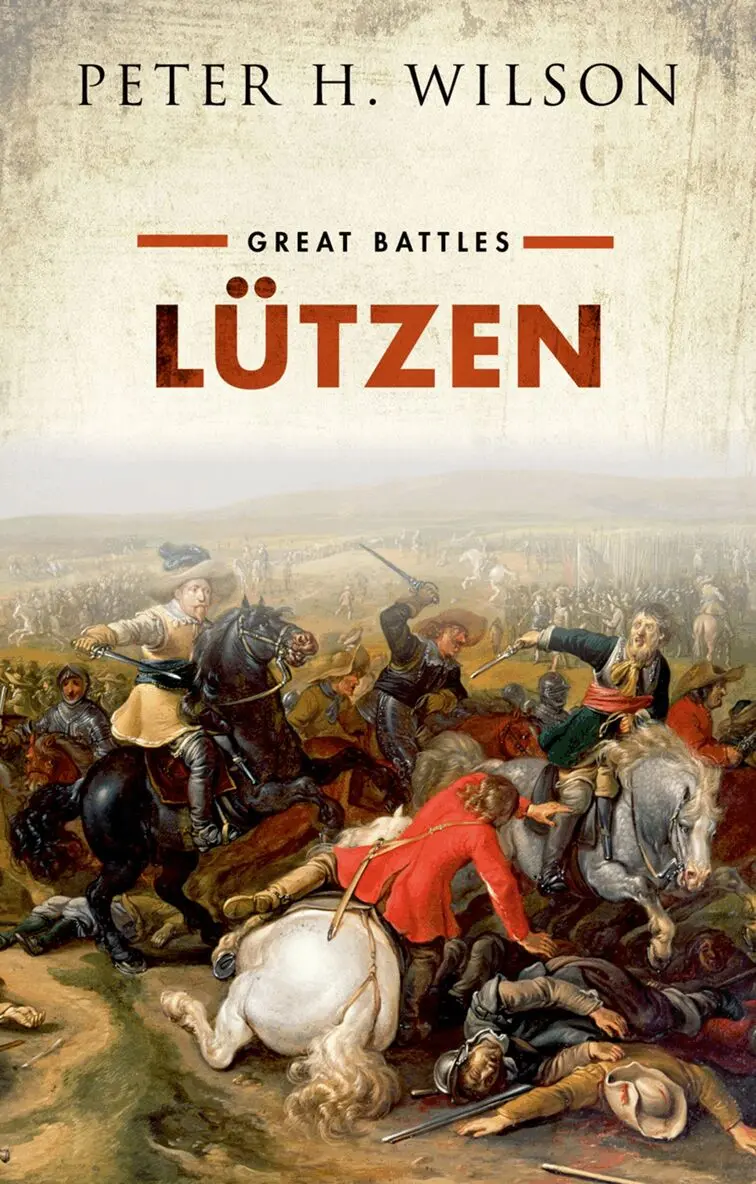
The Thirty Years' War (1618-48) was Europe's most destructive conflict prior to the two world wars. Two of European history's greatest generals faced each other at LÃ1⁄4tzen in November 1632, mid-way through this terrible war. Neither achieved his objective. Albrecht von Wallenstein withdrew his battered imperial army at nightfall, unaware that his opponent, King Gustavus Adolphus of Sweden, had died a few hours earlier. The indecisive military outcome found an immediate echo in image and print, and became the object of political and historical disputes. Swedish propaganda swiftly fostered the lasting image of the king's sacrifice for the Protestant cause against the spectre of Catholic Habsburg 'universal monarchy'. The standard assumption that the king had 'met his death in the hour of victory' became integral to how Gustavus Adolphus's contribution to modern warfare has been remembered, even celebrated, while the study of LÃ1⁄4tzen's wider legacy shows how such events are constantly rewritten as elements of propaganda, religious and national identity, and professional military culture. The battle's religious and political associations also led to its adoption as a symbol by those advocating German unification under Prussian leadership. The battlefield remains a place of pilgrimage to this day and a site for the celebration of Protestant German and Nordic culture. This book is the first to combine analysis of the battle itself with an assessment of its cultural, political and military legacy, and the first to incorporate recent archaeological research within a reappraisal of the events and their significance. It challenges the accepted view that LÃ1⁄4tzen is a milestone in military development, arguing instead that its impact was more significant on the cultural and political level.