LÄS MER OM PRODUKTENProduktinformation
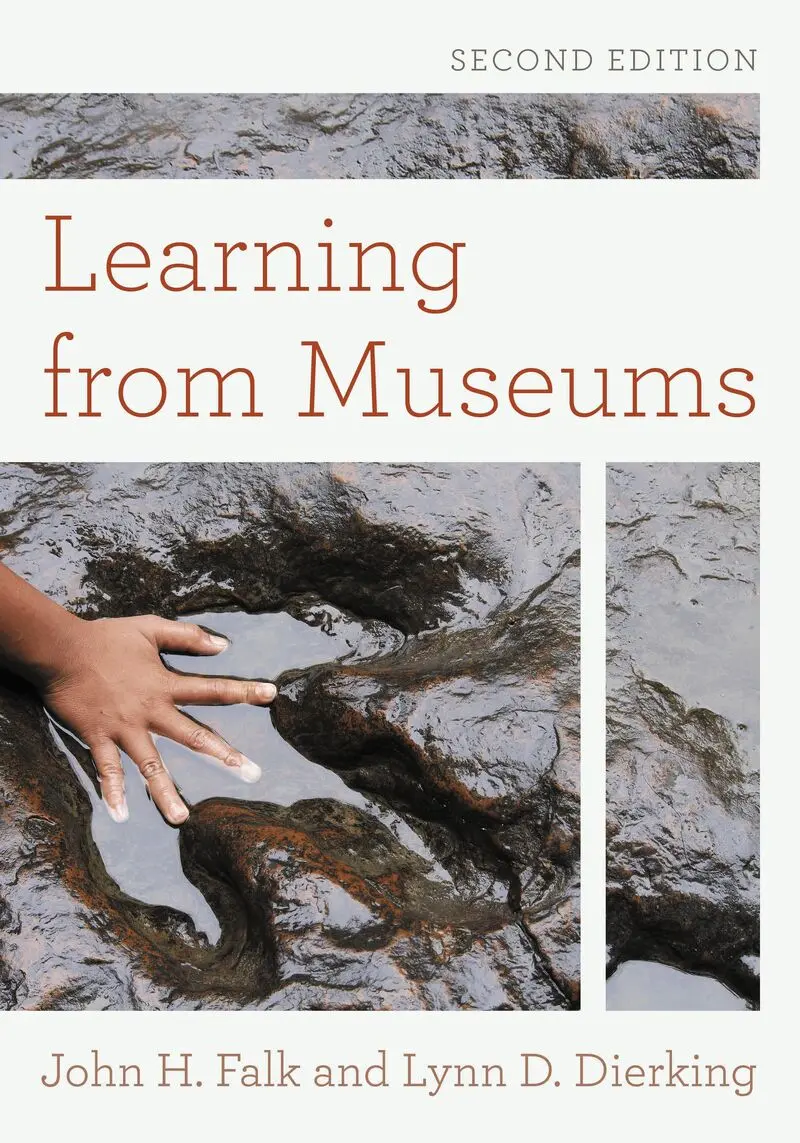
This is the second edition ofJohn H. Falk and Lynn D. Dierking's ground-breaking book, Learning from Museums. While the book still focuses on why, how, what, when, and with whom, people learn from their museum experiences, the authors further investigate the extension of museums beyond their walls and the changing perceptions of the roles that museums increasingly play in the 21st century with respect to the publics they serve (and those they would like to serve). This new edition offers an updated and synthesized version of the Contextual Model of Learning, as well as the latest advances in free-choice learning research, theory and practice, in order to provide readers a highly readable and informative understanding of the personal, sociocultural and physical dimensions of the museum experience. Falk and Dierking also fill in gaps in the 1st edition. Falk's research focuses increasingly on the self-related needs that museums meet, and these findings enhance the personal context chapter. Dierking's work delves deeply into the macro-sociocultural dimensions of learning, a topic not discussed in the sociocultural chapter in the first edition. Emphasizing the importance of time (and space), the second edition adds an entirely new chapter to describe the important dimension of time. They also insert findings from the burgeoning field of neuroscience. Latter chapters of the book discuss the evolving role of museums in the rapidly changing Information /Learning Society of the 21st century. New examples and suggestions highlight the ways that the new understandings of learning can help museum practitioners reinvent how museums can and should support the public's lifelong, life-wide and life-deep learning.