LÄS MER OM PRODUKTENProduktinformation
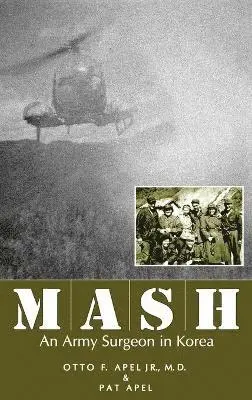
When North Korean forces invaded South Korea on June 25, 1950, Otto Apel was a surgical resident living in Cleveland, Ohio, with his wife and three young children. A year later he was chief surgeon of the 8076th Mobile Army Surgical Hospital constantly near the front lines in Korea. Immediately upon arriving in camp, Apel performed 80 hours of surgery. His feet swelled so badly that he had to cut his boots off, and he saw more surgical cases in those three and a half days than he would have in a year back in Cleveland. There were also the lighter moments. When a Korean came to stay at the 8076th, word of her beauty spread so rapidly that they needed MPs just to direct traffic. Apel also recalls a North Korean aviator, nicknamed "Bedcheck Charlie," who would drop a phony grenade from an open-cockpit biplane, a story later filmed for the television series. He also tells of the day the tent surrounding the women's shower was "accidentally" blown off by a passing helicopter. In addition to his own story, Apel details the operating conditions, workload, and patient care at the MASH units while revealing the remarkable advances made in emergency medical care. MASH units were the first hospitals designed for operations close to the front lines, and from this particularly difficult vantage, their medical staffs were responsible for innovations in the use of antibiotics and blood plasma and in arterial repair. On film and television, MASH doctors and nurses have been portrayed as irreverent and having little patience with standard military procedures. In this powerful memoir, Apel reveals just how realistic these portrayals were.