LÄS MER OM PRODUKTENProduktinformation
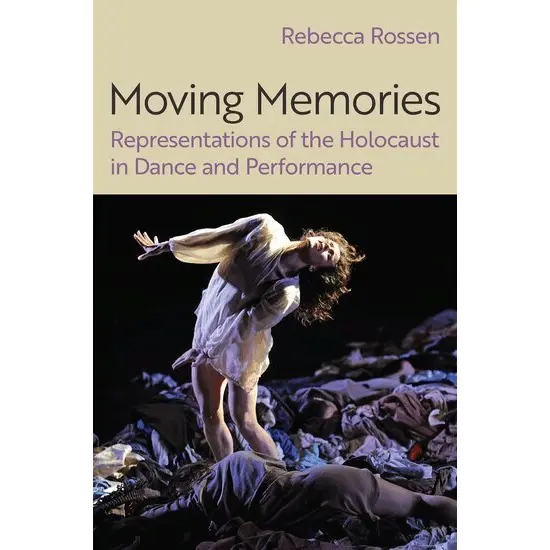
How does dance represent the Holocaust? How can it archive, memorialize, and activate the past, while coalescing artists, performers, and audiences in collective acts of witnessing? How might performances at memorial sites unearth suppressed histories or engage viewers in ways that traditional monuments and memorials do not? Moving Memories looks to answer these questions by exploring Holocaust representation in dance. Drawing upon the concept of moving memories, author Rebecca Rossen demonstrates how dance sets Holocaust remembrance into motion; generates embodied acts of commemoration and transmission that counter forgetting and erasure; involves makers, performers, viewers (and even survivors) in affective, shared experiences; and nudges memorials out of stasis to disrupt entrenched ideologies and nationalisms. Transnational in scope, Moving Memories considers dance and performance produced in Argentina, Austria, Canada, Germany, Hungary, Israel, Poland, Russia, the United Kingdom, and the United States. Rossen richly illustrates kinesthetic, sonic, and visual iconography in over two dozen works created by Jewish and non-Jewish choreographers between 1960 and the present that span a variety of genres including concert dance, dance theatre, dance on film, opera, site-specific performance, and competition dance. Demonstrating a distinct ability to vivify dance on the page, she shows how choreographers have, across decades and formats, consistently grappled with the Holocaust and its continuing resonance through choreographic and bodily expression.