LÄS MER OM PRODUKTENProduktinformation
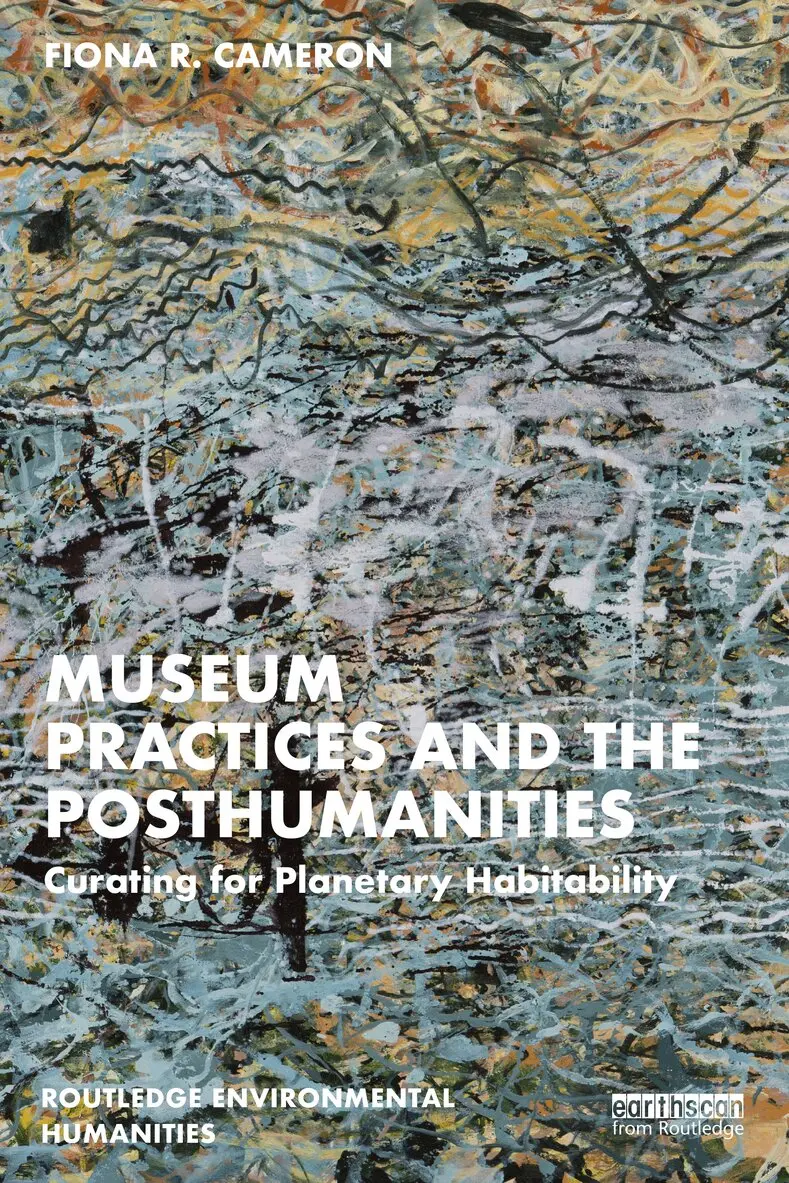
This book critiques modern museologies and curatorial practices that have been complicit in emerging existential crises. It confidently presents novel, more-than-human curatorial visions, methods, frameworks, policies, and museologies radically refiguring the epistemological foundations of curatorial, museological thinking, and practice for a habitable planet.Modern curatorial and museological practices are dominated by modern humanism in which capital growth, social, technological advancement, hubris, extraction, speciest logics, and colonial domination predominate, often without reflection. While history, science, and technology museums and their engagement with non-human worlds have always been ecological as an empirical reality, the human-centred frameworks and forms of human agency that institutions deploy tend to be non-cognizant of this reality. Museum Practices and the Posthumanities: Curating for Planetary Habitability reveals how these practices are ill-equipped to deal with the contemporary world of rapid digital transformations, post-Covid living, climate change, and its impacts among other societal changes, and it shows how museums might best meet these challenges by thinking with and in more-than-human worlds.This book is aimed at museological scholars and museum professionals, and it will provide them with the inspiration to conduct research on and curate from a different ecological reference point to promote a world good enough for all things to thrive in radical co-existence.