LÄS MER OM PRODUKTENProduktinformation
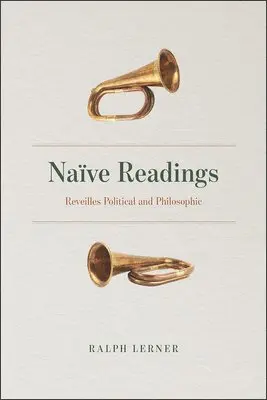
One sure fact of humanity is that we all cherish our opinions and will often strongly resist efforts by others to change them. Philosophers and politicians have long understood this, and whenever they have sought to get us to think differently they have often resorted to forms of camouflage that slip their unsettling thoughts into our psyche without raising alarm. In this fascinating examination of a range of writers and thinkers, Ralph Lerner offers a new method of reading that detects this camouflage and offers a way toward deeper understandings of some of history's most important-and most concealed-messages. Lerner analyzes an astonishing diversity of writers, including Francis Bacon, Benjamin Franklin, Edward Gibbon, Judah Halevi, Thomas Jefferson, Abraham Lincoln, Moses Maimonides, and Alexis de Tocqueville. He shows that by reading their words slowly and naïvely, with wide-open eyes and special attention for moments of writing that become self-conscious, impassioned, or idiosyncratic, we can begin to see a pattern that illuminates a thinker's intent, new messages purposively executed through indirect means. Through these experimental readings, Lerner shows, we can see a deep commonality across writers from disparate times and situations, one that finds them artfully challenging others to reject passivity and fatalism and start thinking afresh.