LÄS MER OM PRODUKTENProduktinformation
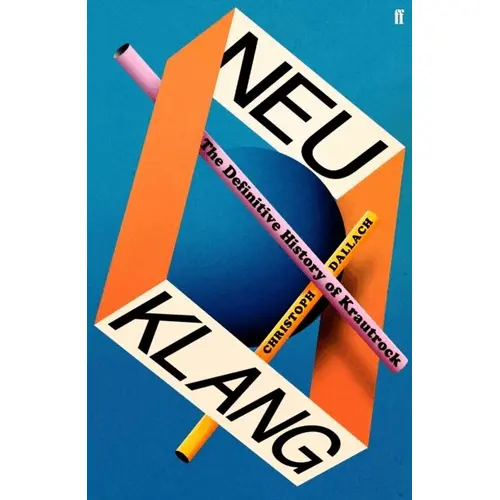
A Telegraph Book of the Year'Revelatory and propulsively arranged.' The New York TimesWest Germany, 1968. Like everywhere else in the Western world, the young generation is pushing for radical change, still suffering the after-effects of the Second World War. Many stream out of the lecture halls and onto the streets. Some into the underground. And some into the practice basements, in search of the soundtrack of the movement.The unique and adventurous sounds that German bands like Can, Neu!, Amon Düül, Popul Vuh, Tangerine Dream, Faust, Cluster or Kraftwerk produced back then, now known as Krautrock, are considered a blueprint for modern rock music. And the stream of their creative admirers and continuators has been constantly widening since the first fans like David Bowie and Iggy Pop: whether Blur, Aphex Twin, Sonic Youth, Radiohead or the Red Hot Chilli Peppers.In Neu Klang, Christoph Dallach interviewed its pioneers, including Irmin Schmidt, Jaki Liebezeit and Holger Czukay of CAN; Neu!'s Michael Rother; Dieter Moebius of Cluster; Klaus Schulze of Tangerine Dream; Karl Bartos of Kraftwerk, Brian Eno and many others. Their answers combine to form an oral history that points far beyond the individual band histories: on the one hand, into the past, to Nazi teachers, post-war parental homes, free jazz, terrorism, LSD and extremely long hair; but just as much into the future, to global recognition, myth-making, techno or post-rock.