LÄS MER OM PRODUKTENProduktinformation
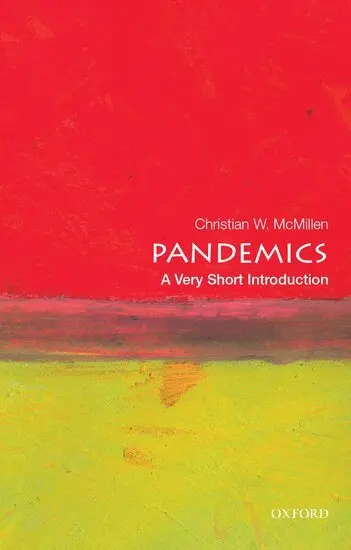
The 2014 Ebola epidemic demonstrated the power of pandemics and their ability not only to destroy lives locally but also to capture the imagination and terrify the world. Christian W. McMillen provides a concise yet comprehensive account of pandemics throughout human history, illustrating how pandemic disease has shaped history and, at the same time, social behavior has influenced pandemic disease. Extremely interesting from a medical standpoint, the study of pandemics also provides unexpected, broader insights into culture and politics.This Very Short Introduction describes history's major pandemics - plague, tuberculosis, malaria, smallpox, cholera, influenza, and HIV/AIDS - highlighting how each disease's biological characteristics affected its pandemic development. McMillen discusses state responses to pandemics, such as quarantine, isolation, travel restrictions, and other forms of social control, and pays special attention to the rise of public health and the explosion of medical research in the wake of pandemics, especially as the germ theory of disease emerged in the late nineteenth and early twentieth centuries. Today, medicine is able to control all of these diseases, yet some of them are still devastating in much of the developing world. By assessing the relationship between poverty and disease and the geography of epidemics, McMillen offers an outspoken and thought-provoking point of view on the necessity for global governments to learn from past experiences and proactively cooperate to prevent any future epidemic.