LÄS MER OM PRODUKTENProduktinformation
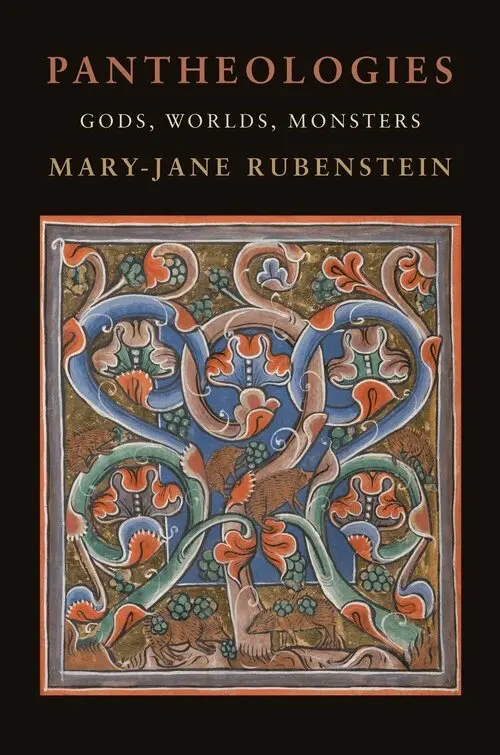
Pantheism is the idea that God and the world are identical-that the creator, sustainer, destroyer, and transformer of all things is the universe itself. From a monotheistic perspective, this notion is irremediably heretical since it suggests divinity might be material, mutable, and multiple. Since the excommunication of Baruch Spinoza, Western thought has therefore demonized what it calls pantheism, accusing it of incoherence, absurdity, and-with striking regularity-monstrosity.In this book, Mary-Jane Rubenstein investigates this perennial repugnance through a conceptual genealogy of pantheisms. What makes pantheism "monstrous"-at once repellent and seductive-is that it scrambles the raced and gendered distinctions that Western philosophy and theology insist on drawing between activity and passivity, spirit and matter, animacy and inanimacy, and creator and created. By rejecting the fundamental difference between God and world, pantheism threatens all the other oppositions that stem from it: light versus darkness, male versus female, and humans versus every other organism. If the panic over pantheism has to do with a fear of crossed boundaries and demolished hierarchies, then the question becomes what a present-day pantheism might disrupt and what it might reconfigure. Cobbling together heterogeneous sources-medieval heresies, their pre- and anti-Socratic forebears, general relativity, quantum mechanics, nonlinear biologies, multiverse and indigenous cosmologies, ecofeminism, animal and vegetal studies, and new and old materialisms-Rubenstein assembles possible pluralist pantheisms. By mobilizing this monstrous mixture of unintentional God-worlds, Pantheologies gives an old heresy the chance to renew our thinking.