LÄS MER OM PRODUKTENProduktinformation
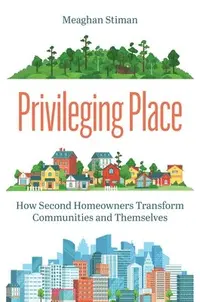
How second homeowners strategically leverage their privilege across multiple spacesIn recent decades, Americans have purchased second homes at unprecedented rates. In Privileging Place, Meaghan Stiman examines the experiences of predominantly upper-middle-class suburbanites who bought second homes in the city or the country. Drawing on interviews with more than sixty owners of second homes and ethnographic data collected over the course of two years in Rangeley, Maine, and Boston, Massachusetts, Stiman uncovers the motivations of these homeowners and analyzes the local consequences of their actions. By doing so, she traces the contours of privilege across communities in the twenty-first century.Stiman argues that, for the upper-middle-class residents of suburbia who bought urban or rural second homes, the purchase functioned as a way to balance a desire for access to material resources in suburban communities with a longing for a more meaningful connection to place in the city or the country. The tension between these two contradictory aims explains why homeowners bought second homes, how they engaged with the communities around them, and why they ultimately remained in their suburban hometowns. The second home is a place-identity project-a way to gain a sense of place identity they don't find in their hometowns while still holding on to hometown resources. Stiman's account offers a cautionary tale of the layers of privilege within and across geographies in the twenty-first century.