LÄS MER OM PRODUKTENProduktinformation
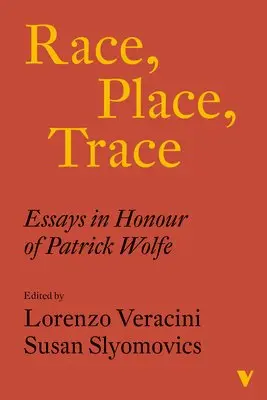
This edited collection celebrates Patrick Wolfe's contribution to the study and critique of settler colonialism as a distinct mode of domination. The chapters collected here focus on the settler-colonial assimilation of land and people, and on what Wolfe insightfully defined as 'preaccumulation': the ability of settlers to mobilise technologies and resources unavailable to resisting Indigenous communities. Wolfe's militant and interdisciplinary scholarship is thus emphasised, together with his determination to acknowledge Indigenous perspectives and the efficacy of Indigenous resistances. In case studies of Australia, French Algeria, and the United States, contributors illustrate how seminal his contribution was and is. There are three core reasons why it is especially important to develop the field of thinking inaugurated by Wolfe: first, because the demand for Indigenous sovereignty has been crucial to recent struggles against neoliberal attacks in the settler societies; second, because a critique of settler colonialism and its logic of elimination has supported important struggles against environmental devastation; and third, because the ability to think race in ways that are not disconnected from other struggles is now more needed than ever. Racial capitalism and settler colonialism are as imbricated now as they always have been, and keeping both in mind at the same time highlights the need to establish and nurture solidarities that reach across established divides.