LÄS MER OM PRODUKTENProduktinformation
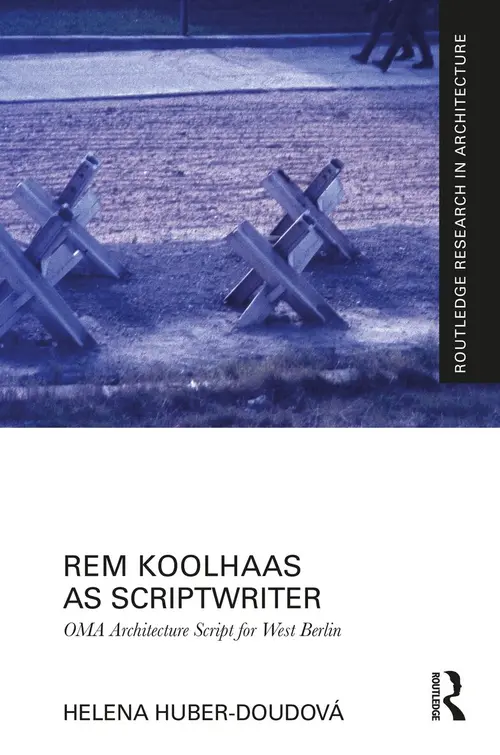
This book is the first survey of a new field in architecture theory: script writing. Rem Koolhaas as Scriptwriter explores the intersection of architecture, film, and text using the example of the working method of scriptwriter, Rem Koolhaas, and the Office for Metropolitan Architecture (OMA).This book argues that Koolhaas formulates his approach to architecture on the basis of the "written sketch" or script, and questions its transformations into built environment in the oeuvre of OMA. Divided into two parts, the first part is a theoretical outline that explores the notion of scriptwriting in film. It provides in-depth insights into the definition and historical evolution of the script - as a blueprint, Hollywood script, avant-garde script, storyboard, the relation to auteur theory, and the difference between the script and scenario. It surveys the first original script for the Exodus, of the Voluntary Prisoners of Architecture. The second part offers a unique perspective on the urban development of West Berlin, in which Koolhaas created a metropolitan script, or blueprint, that spans the period 1971-1989, from his first visit to Berlin to the fall of the Berlin Wall.This book will be of interest to researchers and students of architectural theory, urban history, and film studies.