LÄS MER OM PRODUKTENProduktinformation
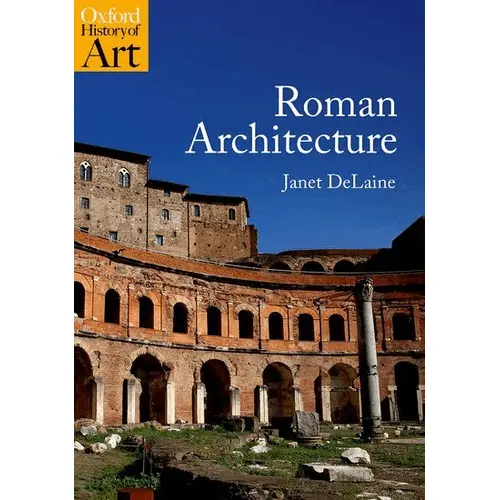
Roman Architecture casts new light not only on many familiar monuments of the city of Rome, but also on less well-known examples from across the Roman empire.Rome and its empire were fundamental to the development of western architecture, and its forms and motifs remain significant elements of our own built environments. Roman Architecture places the varied architecture of ancient Rome, from its humble apartment blocks to its grand public structures, within the broader context of Roman society. It takes as its starting point the writings of the Roman architect Vitruvius, as one voice in a broader contemporary debate about the nature and value of architecture. What did the Romans themselves think architecture was for? What was built, by whom and why? How was architecture represented in text and image?The interplay of type and variation that are the hallmark Roman architecture are here traced back to the human actions and choices from which they originated. Janet DeLaine explores how the desires of patrons for novelty and individuality were met by architects and builders working within the practical constraints of available materials and the moral prescriptions of religious and social norms to create new forms.Ranging from early Rome to the late empire, this volume casts new light on many familiar monuments of the city of Rome, but also on less well-known examples from across the empire. Through an examination of the key types of buildings at the heart of Roman society and their decoration, it reveals the symbolic meaning of architecture in terms of competitive power displays and commemoration, and it explores how architecture helped to define being 'Roman' at different times and in different places of the empire.