LÄS MER OM PRODUKTENProduktinformation
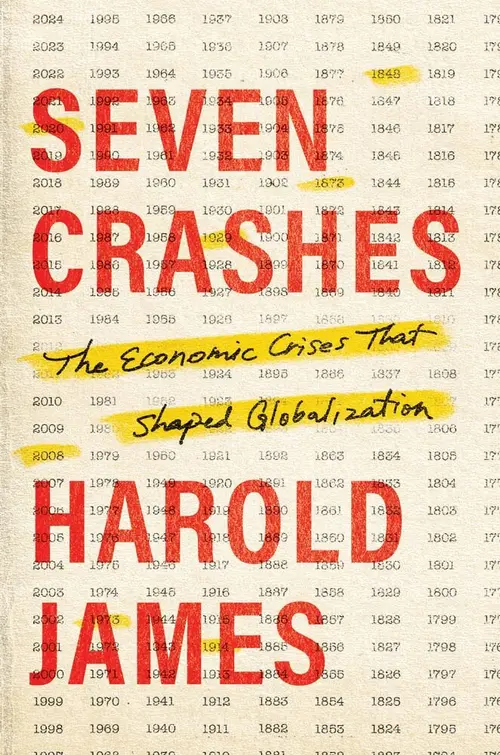
A leading economic historian presents a new history of financial crises, showing how some led to greater globalization while others kept nations apart "[A] fascinating book."-Martin Wolf, Financial Times, "Best Books of 2023-Economics" The eminent economic historian Harold James presents a new perspective on financial crises, dividing them into "good" crises, which ultimately expand markets and globalization, and "bad" crises, which result in a smaller, less prosperous world. Examining seven turning points in financial history-from the depression of the 1840s through the Great Depression of the 1930s to the Covid-19 crisis-James shows how crashes prompted by a lack of supply, like the oil shortages of the 1970s, lead to greater globalization as markets expand and producers innovate to increase supply. By contrast, crises triggered by a lack of demand-such as the Global Financial Crisis of 2007-2008-result in less globalization as markets contract, austerity measures are imposed, and skepticism of government grows. By considering not only the times but also the observers who shaped our understanding of each crisis-from Karl Marx to John Maynard Keynes to Larry Summers-James shows how the uneven course of globalization has led to new economic thinking, and how understanding this history can help us better prepare for the future.