LÄS MER OM PRODUKTENProduktinformation
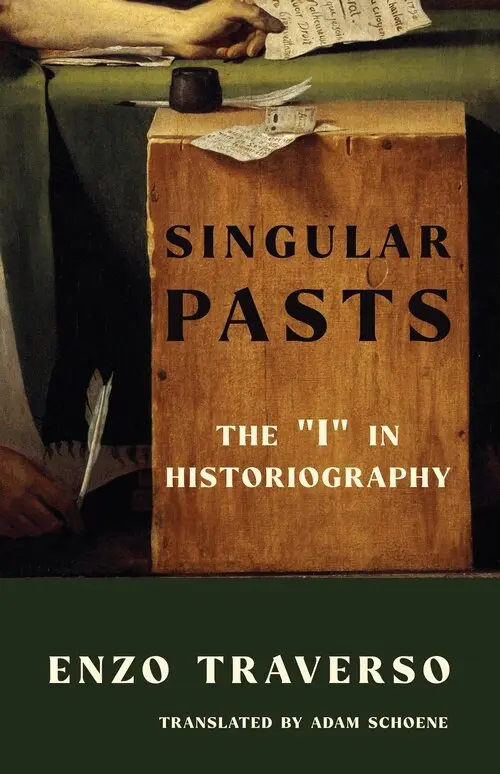
Today, history is increasingly written in the first person. A growing number of historical works include an autobiographical dimension, as if writing about the past required exploring the inner life of the author. Neither traditional history nor autobiography, this hybrid genre calls the norms of the historical profession into question. In search of new and creative paths, it transgresses a cardinal rule of the discipline: third-person narration, long considered necessary to the objective analysis of the past.Singular Pasts offers a critical account of the emergence of authorial subjectivity in historical writing, scrutinizing both its achievements and its shortcomings. Enzo Traverso considers a group of contemporary historians, including Ivan Jablonka, Sergio Luzzatto, and Mark Mazower, who reveal their emotional ties to their subjects and give their writing a literary flavor. He identifies a parallel trend in literature, in which authors such as W. G. Sebald, Patrick Modiano, Javier Cercas, and Daniel Mendelsohn write their works as investigations based on archival sources. Traverso argues that first-person history mirrors contemporary ways of thinking: such writing is presentist and apolitical, perceiving and representing the past through an individual lens. Probing the limits of subjective historiography, he emphasizes that it is collective action that produces social change: "we" instead of "I." In an epilogue, Traverso considers the first-person writing of Saidiya Hartman as a counterexample. A wide-ranging and illuminating critique of a key trend in humanistic inquiry, Singular Pasts reconsiders the notion of historical truth in a neoliberal age.