LÄS MER OM PRODUKTENProduktinformation
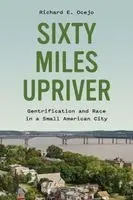
An unvarnished portrait of gentrification in an underprivileged, majority-minority small cityNewburgh is a small postindustrial city of some twenty-eight thousand people located sixty miles north of New York City in the Hudson River Valley. Like many other similarly sized cities across America, it has been beset with poverty and crime after decades of decline, with few opportunities for its predominantly minority residents. Sixty Miles Upriver tells the story of how Newburgh started gentrifying, describing what happens when White creative professionals seek out racially diverse and working-class communities and revealing how gentrification is increasingly happening outside large city centers in places where it unfolds in new ways.As New York City's housing market becomes too expensive for even the middle class, many urbanites are bypassing the suburbs and moving to smaller cities like Newburgh, where housing is affordable and historic. Richard Ocejo takes readers into the lives of these newcomers, examining the different ways they navigate racial difference and inequality among Newburgh's much less privileged local residents, and showing how stakeholders in the city's revitalization reframe themselves and gentrification to cast the displacement they cause to minority groups in a positive light.An intimate exploration of the moral dilemma at the heart of gentrification, Sixty Miles Upriver explains how progressive White gentrifiers justify controversial urban changes as morally good, and how their actions carry profound and lasting consequences for vulnerable residents of color.