LÄS MER OM PRODUKTENProduktinformation
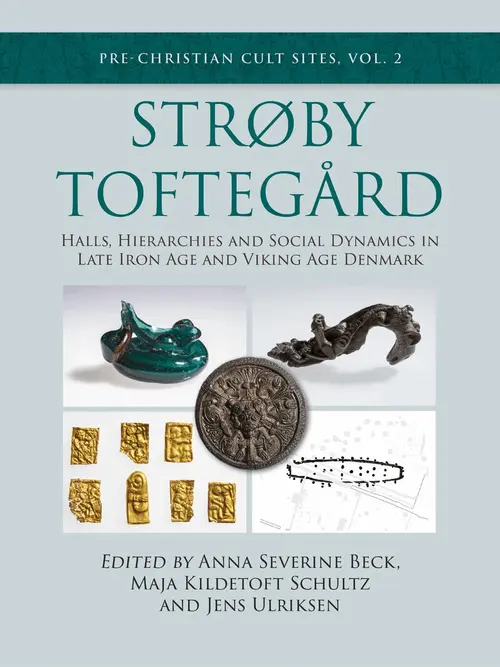
Strøby Toftegård: Halls, Hierarchies and Social Dynamics in Late Iron Age and Viking Age Denmark presents and considers the archaeological material from the site of Strøby Toftegård in the eastern part of Zealand, Denmark, where comprehensive excavations took place between 1994 and 2013. The book seeks to qualify the interpretation of Farm 1 as the residence of a magnate from c. AD 650 to c. AD 1000 and of the whole settlement consisting of at least nine farm units as a magnate settlement. This is done by means of a detailed survey and analysis of buildings and features, structures, various groups of objects, and a discussion of the landscape, the social context and the creation of social hierarchies that the site fitted into while it was in use.Detailed analyses of pits, wells, a latrine, bone material, macrofossils, pollen, the sherds of glass vessels, sherds of windowpanes, beads, jewelry, tools and pottery all substantiate that Farm 1 was something extraordinary. Its inhabitants appear to have had better access to resources, been in charge of certain activities, had access to knowledge that was not available to everyone and, finally, to have been part of larger social and political networks. It is likewise argued that the rest of the settlement was home to the magnate's retinue in the form of, inter alia, mounted warriors. Strøby Toftegård's placement within the hierarchy of power in relation to the other known magnate localities is also discussed. The argument here is that there were close connections between Strøby Toftegård and the royal seat in Lejre, although the material simultaneously indicates that Strøby Toftegård was not quite on the same political level as Lejre.The interpretation of Strøby Toftegård is considered in relation to the surrounding landscape, place names and other archaeological evidence from excavations and metal-detector surveys. The last chapter is a concluding discussion of those elements within the archaeological material that justify interpreting the settlement at Strøby Toftegård as a magnate settlement, what such an interpretation entails and what questions it raises for future treatment of the archaeological material.