LÄS MER OM PRODUKTENProduktinformation
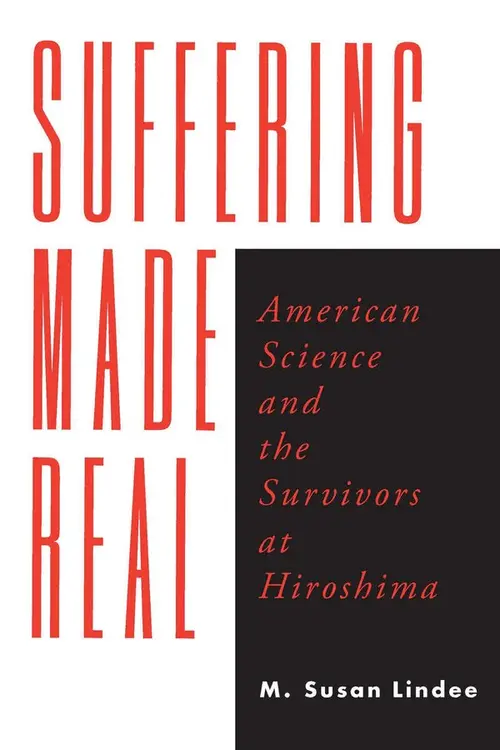
The atomic bombs dropped on Hiroshima and Nagasaki in August of 1945 unleashed a force as mysterious as it was deadly - radioactivity. In 1946, the United States government created the Atomic Bomb Casualty Commission (ABCC) to serve as a permanent agency in Japan with the official mission of studying the medical effects of radiation on the survivors. The next 10 years saw the ABCC's most intensive research on the genetic effects of radiation, and up until 1974 the ABCC scientists published papers on the effects of radiation on ageing, life span, fertility, and disease. This book is a comprehensive history of the ABCC's research on how radiation affected the survivors of the atomic bomb. Arguing that Cold War politics and cultural values fundamentally shaped the work of the ABCC, the author tells the compelling story of a project that raised disturbing questions about the ethical implications of using human subjects in scientific research. How did the politics of the emerging Cold War affect the scientists' biomedical research and findings? How did the ABCC document and publicly present the effects of radiation? Why did the ABCC refuse to provide medical treatment to the survivors?Through a detailed examination of ABCC policies, archival materials, the minutes of committee meetings, newspaper accounts, and interviews with ABCC scientists, Lindee explores how political and cultural interests were reflected in the day-to-day operations of this controversial research programme. Set against a period of conflicting views of nuclear weapons and nuclear power, the book follows the course of a politically-charged research programme and reveals in detail how politics and cultural values can shape the conduct, results, and uses of science.