LÄS MER OM PRODUKTENProduktinformation
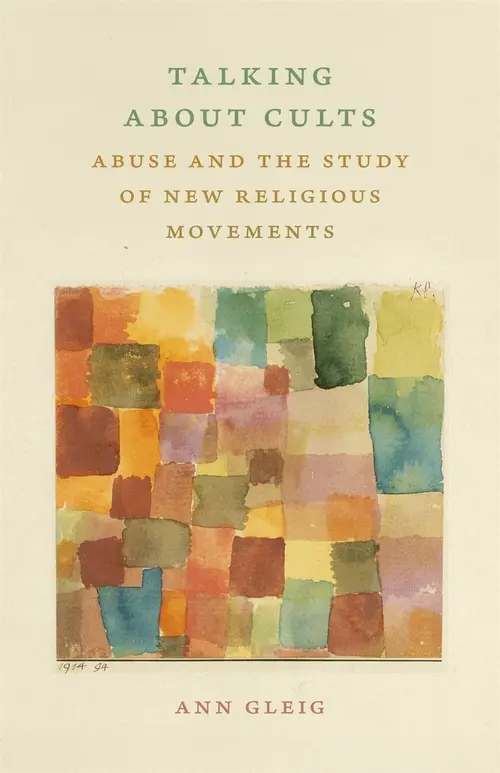
Talking About Cults explores a series of questions: Why have scholars of minority religion rejected the term "cult" and the wider field of cultic studies? How have they responded to allegations of abuse in minority religion? Why do so many survivors of abuse find cult discourse helpful? What new directions-more attuned to survivors' experience-are emerging and should be encouraged in the study of abuse in new religious movements (NRMs)?The academic subfield of NRMs developed in reaction to cultic studies and the two fi elds became polarized in the "Cult Wars," a charged intellectual and legal battle that has raged on since the 1970s. In this context, a disciplinary consensus formed in the study of NRMs that minimized allegations of abuse within NRMs and discredited the reliability of ex-members who made them. While feminist scholars of religion attempted to draw attention to gendered forms of abuse in these groups, they were largely ignored in consensus NRM scholarship. Inspired by a feminist survivor-centered approach, Ann Gleig argues that rather than automatically rejecting cult discourse, scholars need to ask what its function and value is for survivors of abuse. Through interviews with survivors of abuse in Buddhist contexts, she discovered that they drew on cult discourse selectively and critically to identify, understand, and heal from the dynamics that had caused them harm in their former communities as well as to prevent future abuse.