LÄS MER OM PRODUKTENProduktinformation
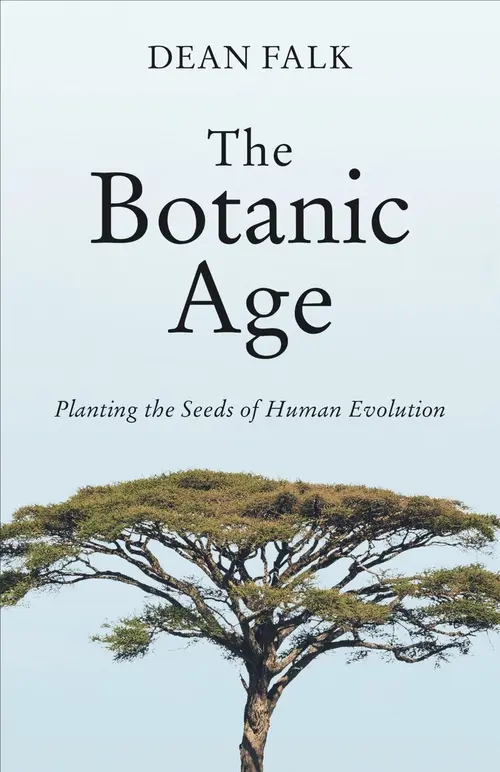
How and why did humans get to be so clever and thoughtful? The beginning of the Stone Age, marked by the invention of stone tools, has traditionally dominated discussions about the origin and evolution of human intelligence. However, feminist anthropologists have long theorized that the first tools were actually nests, slings, and baskets that would not have survived in the archaeological record.In The Botanic Age, leading evolutionary anthropologist Dean Falk argues that millions of years of weaving botanical materials and woodworking preceded the Stone Age, facilitating the basic neurological underpinnings for humankind's later creative and technological inventions. She further suggests that mothers and infants may hold the key to understanding a series of events that eventually kindled the emergence of advanced cognitive abilities, including language and music.The Botanic Age takes readers millions of years into the past to a time before our relatives began living full-time on the ground. From stationary hominin sleeping trees in Africa to beached trees on the shores of Indonesia, the impact of the Botanic Age on hominin evolution was far-reaching. Only from this vantage point "in the trees" can we really begin to understand how and why our ancestors evolved - and how we became human.