LÄS MER OM PRODUKTENProduktinformation
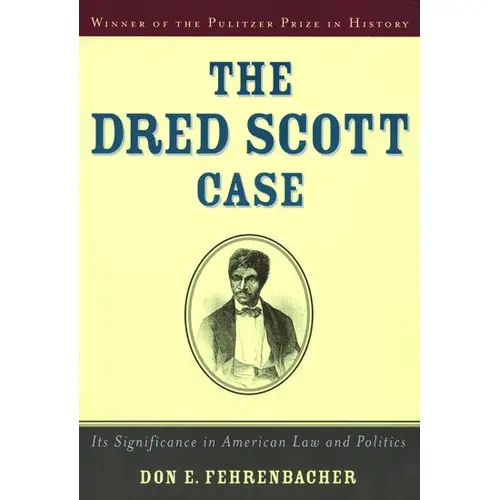
Winner of the Pulitzer Prize in 1979, this masterful examination of the most famous example of judicial failure--the case referred to as "the most frequently overturned decision in history."On March 6, 1857, Chief Justice Roger B. Taney delivered the Supreme Court's decision against Dred Scott, a slave who maintained he had been emancipated as a result of having lived with his master in the free state of Illinois and in federal territory where slavery was forbidden by the Missouri Compromise. The decision did much more than resolve the fate of an elderly black man and his family; Dred Scott v. Sanford was the first instance in which the Supreme Court invalidated a major piece of federal legislation. The decision declared that Congress had no power to prohibit slavery in the federal territories, thereby striking a severe blow at the the legitimacy of the emerging Republican party and intensifying the sectional conflict over slavery.This book represents a skillful review of the issues before America on the eve of the Civil War. The first third of the book deals directly with the with the case itself and the Court's decision, while the remainder puts the legal and judicial question of slavery into the broadest possible American context. Fehrenbacher discusses the legal bases of slavery, the debate over the Constitution, and the dispute over slavery and continental expansion. He also considers the immediate and long-range consequences of the decision.