LÄS MER OM PRODUKTENProduktinformation
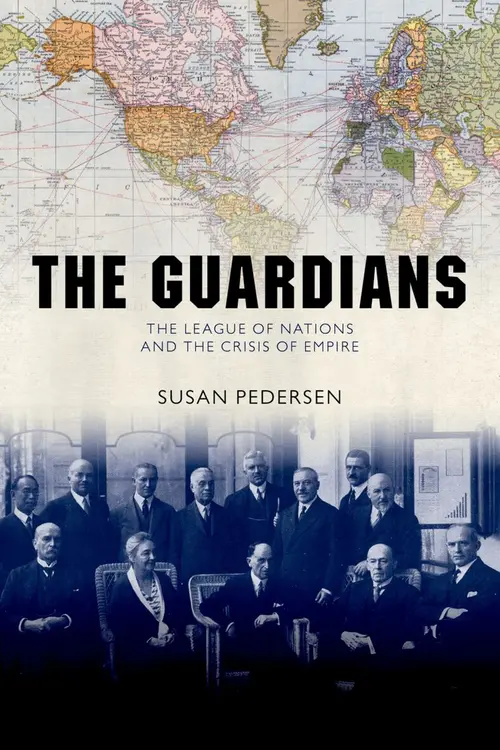
The First World War threw the imperial order into crisis. New states emerged from the great European land empires, while Germany's African and Pacific colonies, and the Ottoman provinces in the Middle East fell into allied hands. Britain, France, Belgium, Japan, and the British dominions wanted to keep the new states, but Woodrow Wilson and the millions converted to the ideal of self-determination thought otherwise. At the Paris Peace conference of 1919, the allies agreed reluctantly to govern their new conquests according to international and humanitarian norms and under 'mandate' from the League of Nations. As The Guardians shows, this decision had enormous consequences. The allies sought to use the League to safeguard imperial authority, but that authority was undermined by the mechanisms for international oversight they had themselves created. Colonial nationalists and humanitarians exploited new rights of petition or opportunities for publicity to expose abuses or scandals; Germans resentful of the loss of their colonies and Italians eager to found a new empire arrived in Geneva to demand a repartition of the spoils. As imperial politicians wearied of continual scandals and crises - revolts in South West Africa, Syria, Samoa, and Palestine; famine in Rwanda; labour abuses in New Guinea; extortionate oil contracts in Iraq - they began to question whether independent states might be easier to deal with than territories subject to international scrutiny. Drawing on research in four continents and dozens of archives, and bringing to life a global network of nationalists, humanitarians, international bureaucrats, and imperial statesmen, The Guardians offers an entirely new interpretation of the importance of international organizations in the emergence of the modern world order.