LÄS MER OM PRODUKTENProduktinformation
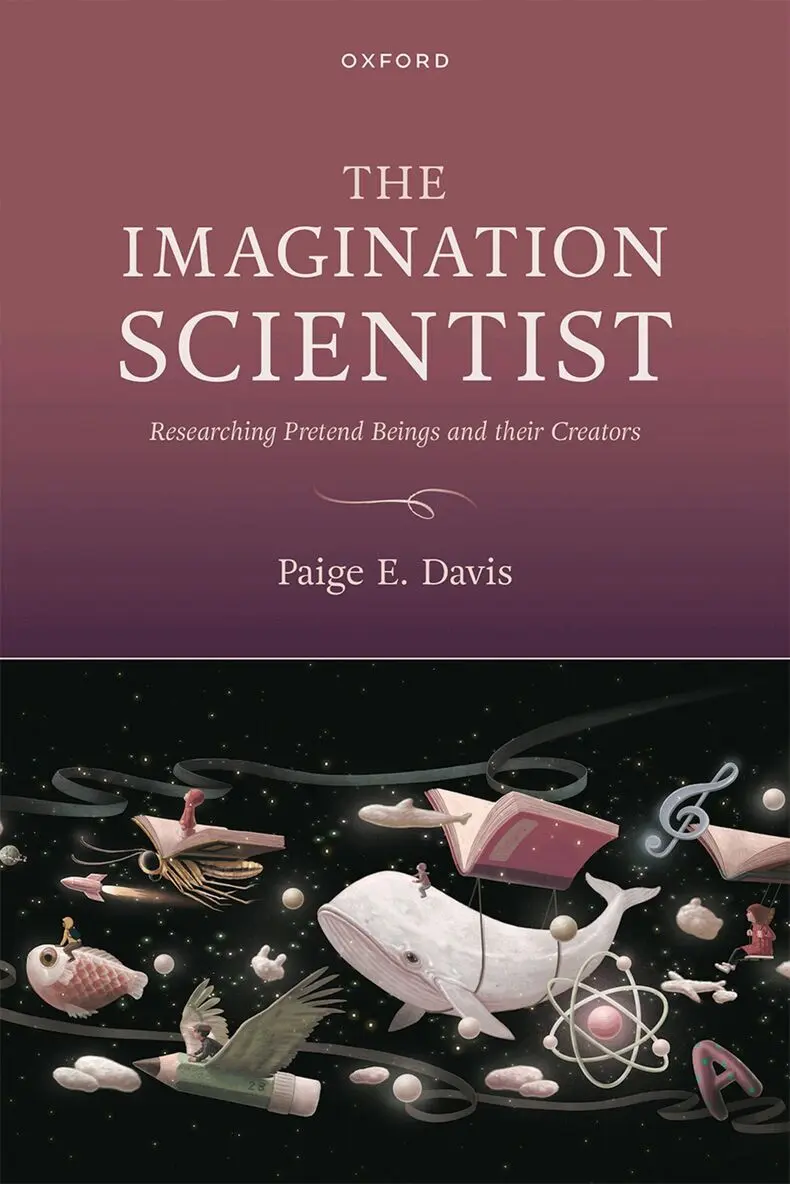
What are imaginary friends? And why do we create them? The phenomenon is common but not fully understood, sparking curiosity and intrigue in scientists and non-scientists alike. Research on imaginary friends, also known as imaginary companions, brings up a range of topics such as language, perspective taking, typical hallucination-like experience, artificial intelligence, creativity, social skills, and culture.The Imagination Scientist explores how the creation, existence and disappearance of these imaginary relationships impact development, not only focusing on childhood, but throughout a person's lifetime. Drawing on her own and other scientific research, Davis frames this study with a series of questions, starting with: what are imaginary friends and who creates them? Other questions include how they relate to social life, cognition and perceptual experiences. After touching on the companions themselves, Davis asks if children who have never created imaginary friends can be taught to create them. Finally, she asks what is next for imaginary friend research? These questions are all answered through the current research along with anecdotes from Davis's studies, confronting the paradox of the these known yet mysterious companions.The book attempts to demystify the phenomena of imaginary companions helping readers to understand the development of social cognition and even some types of psychopathology. Analysing how imaginary companion creators think about and perceive the world, Davis approaches these topics through the lens of Lev Vygotsky's theories providing a framework for understanding imaginary companions and their relationship to theory of mind, creativity, and even reports of prodromal symptoms of hallucination in typical adult populations.