LÄS MER OM PRODUKTENProduktinformation
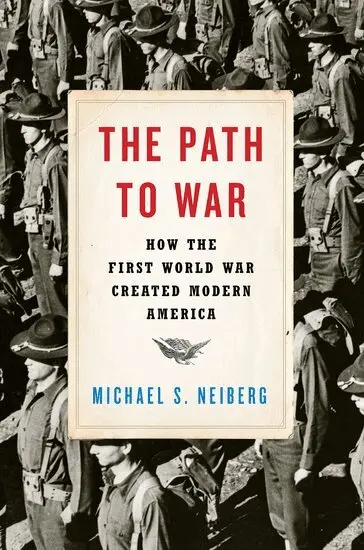
America's entry into World War One in April 1917 marked the end of one era in the nation's history and the start of another. As acclaimed historian Michael S. Neiberg reveals in his compelling new work, the Great War erupted in the midst of lively domestic debate as to what America's role should be in the global sphere. Whereas Woodrow Wilson was re-elected in 1916 by pledging to stay out of the conflict in Europe, former president Theodore Roosevelt was convinced that the war offered a means for the U.S. to become a dominant power and ensure national security.In The Road Over There, Neiberg follows American reactions to such events as the Lusitania, German espionage, and the Zimmermann telegram, shedding light on the dilemmas and crises that the country faced in the war years. In the summer of 1916, German agents detonated the Black Tom railroad terminal in Jersey City, New Jersey, leaving only fragments of piers (still visible today); it was the costliest act of domestic terrorism in American history before 9/11 and its effect was galvanizing.Neiberg's book will revive debates around America's entry into World War One, building to Wilson's declaration while examining the forces and shifts that made it all but inevitable. Neiberg establishes beyond question that World War One was not a parenthetical exception in American history but a moment of national and international self-identification, one whose effects still resonate today.