LÄS MER OM PRODUKTENProduktinformation
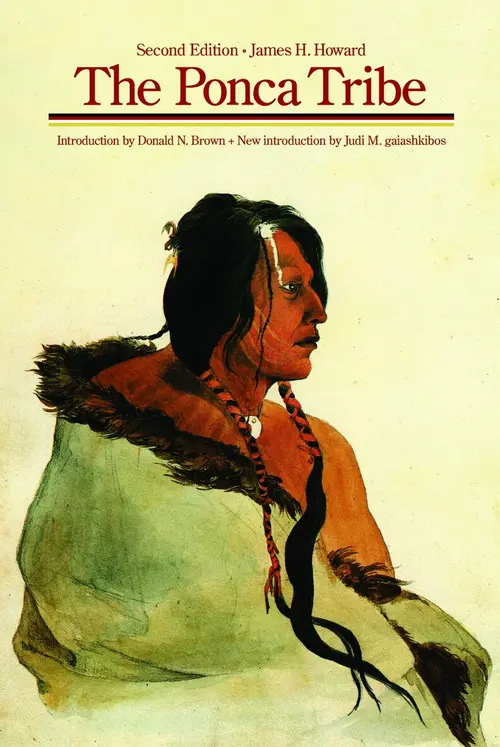
The culture of the Ponca Indians is less well known than their misfortunes. A model of research and clarity, The Ponca Tribe is still the most complete account of these Indians who inhabited the upper central plains. Peaceably inclined and never numerous, they built earth-lodge villages, cultivated gardens, and hunted buffalo. James H. Howard considers their historic situation in present-day South Dakota and Nebraska, their trade with Europeans and relations with the U.S. government, and, finally, their loss of land along the Niobrara River and forced removal to Indian Territory. The tragic events surrounding the 1877 removal, culminating in the arrest and trial of Chief Standing Bear, are only part of the Ponca story. Howard, a respected ethnologist, traces the tribe's origins and early history. Aided by Ponca informants, he presents their way of life in his descriptions of Ponca lodgings, arts and crafts, clothing and ornaments, food, tools and weapons, dogs and horses, kinship system, governance, sexual practices, and religious ceremonies and dances. He tells what is known about a proud (and ultimately divided) tribe that was led down a "trail of tears."The Ponca Tribe was originally published in 1965 as a bulletin of the Smithsonian Institution's Bureau of American Ethnology.