LÄS MER OM PRODUKTENProduktinformation
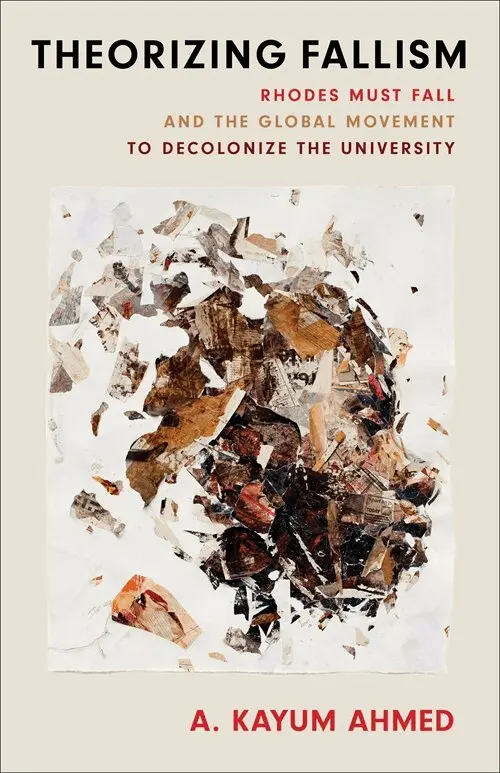
In 2015, students at the University of Cape Town ignited a movement that would reverberate across the globe by demanding the removal of a statue of the British imperialist Cecil Rhodes. What began as a protest against a single monument became Rhodes Must Fall: a confrontation with colonial legacies at South African universities that inspired a movement at Oxford and beyond.A. Kayum Ahmed tells the powerful story of Rhodes Must Fall, tracing the emergence of a new decolonial framework, Fallism, and its trajectory from Africa to empire. Drawing on archival research and interviews with activists, he interprets Fallism as both a critique of the university-rooted in patriarchy, white supremacy, and capitalism-and a broader decolonial theory. Ahmed reveals how students combined acts of defiance with deeper forms of intellectual insurgency to challenge Eurocentric curricula, linguistic hierarchies, and the silencing of Black epistemologies. In so doing, they transformed Black pain-the source of the uprising-into a collective struggle for Black liberation.By following Fallism's journey, this book demonstrates how student movements create new vocabularies of resistance that transcend geographies of power. It underscores why universities remain battlegrounds in global struggles, from conflicts over statues and curricula to pro-Palestinian protests. Both a history of a movement and a theoretical intervention, Theorizing Fallism illuminates the enduring influence of students to challenge entrenched structures of knowledge and power.