LÄS MER OM PRODUKTENProduktinformation
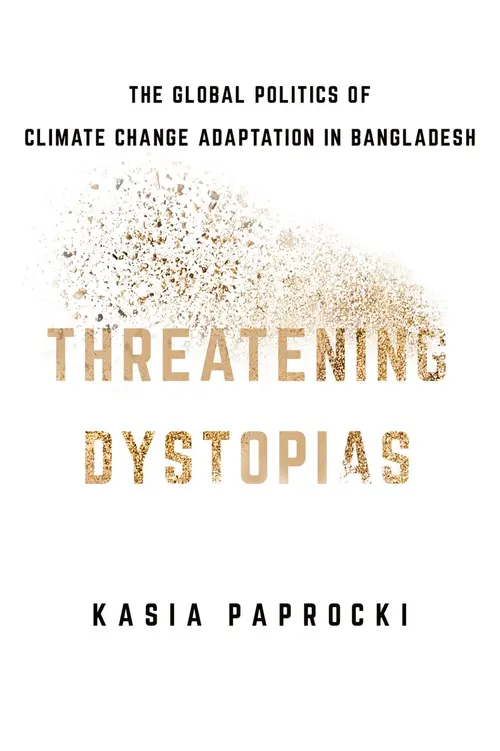
Bangladesh is currently ranked as one of the most climate vulnerable countries in the world. In Threatening Dystopias, Kasia Paprocki investigates the politics of climate change adaptation throughout the South Asian nation. Drawing on ethnographic and archival fieldwork, she engages with developers, policy makers, scientists, farmers, and rural migrants to show how Bangladeshi and global elites ignore the history of landscape transformation and its attendant political conflicts. Paprocki looks at how groups craft economic narratives and strategies that redistribute power and resources away from peasant communities. Although these groups claim that increased production of export commodities will reframe the threat of climate change into an opportunity for economic development and growth, the reality is not so simple. For the country's rural poor, these promises ring hollow. As development dispossesses the poor from agrarian livelihoods, outmigration from peasant communities leads to precarious existences in urban centers. And a vision of development in which urbanization and export-led growth are both desirable and inevitable is not one the land and its people can sustain. Threatening Dystopias shows how a powerful rural movement, although hampered by an all-consuming climate emergency, is seeking climate justice in Bangladesh.