LÄS MER OM PRODUKTENProduktinformation
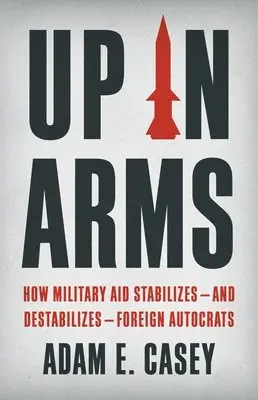
How support from foreign superpowers propped up-and pulled down-authoritarian regimes during the Cold War, offering lessons for today's great power competitionThroughout the Cold War, the United States and Soviet Union competed to prop up friendly dictatorships abroad. Today, it is commonly assumed that this military aid enabled the survival of allied autocrats, from Taiwan's Chiang Kai-shek to Ethiopia's Mengistu Haile Mariam. In Up in Arms, political scientist Adam E. Casey rebuts the received wisdom: aid to autocracies often backfired during the Cold War. Casey draws on extensive original research to show that, despite billions poured into friendly regimes, US-backed dictators lasted in power no longer than those without outside help. In fact, American aid often unintentionally destabilized autocratic regimes. The United States encouraged foreign regimes to establish strong, independent armies like its own, but those armies often went on to lead coups of their own. By contrast, the Soviets promoted the subordination of the army to the ruling regime, neutralizing the threat of military takeover. Ultimately, Casey concludes, it is subservient militaries-not outside aid-that help autocrats maintain power. In an era of renewed great power competition, Up in Arms offers invaluable insights into the unforeseen consequences of overseas meddling, revealing how military aid can help pull down dictators as often as it props them up.