LÄS MER OM PRODUKTENProduktinformation
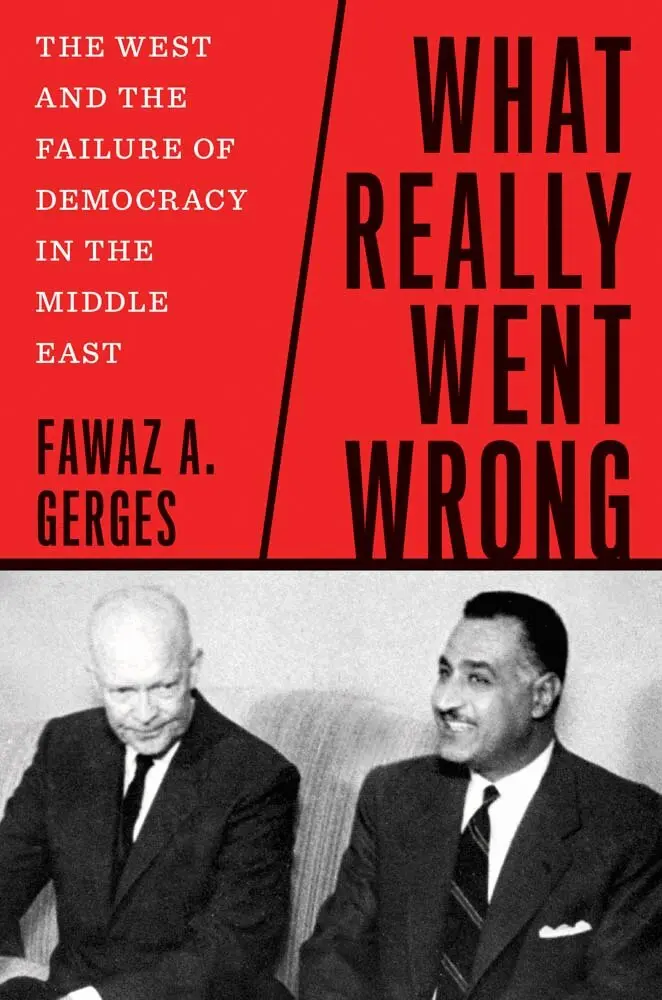
An ambitious revisionist history of the modern Middle East What Really Went Wrong offers a fresh and incisive assessment of American foreign policy's impact on the history and politics of the modern Middle East. Looking at flashpoints in Iranian, Egyptian, Syrian, and Lebanese history, Fawaz A. Gerges shows how postwar U.S. leaders made a devil's pact with potentates, autocrats, and strongmen around the world. Washington sought to tame assertive nationalists and to protect repressive Middle Eastern regimes in return for compliance with American hegemonic designs and uninterrupted flows of cheap oil. The book takes a counterfactual approach, asking readers to consider how the political trajectories of these countries and, by extension, the entire region may have differed had U.S. foreign policy privileged the nationalist aspirations of patriotic and independent Middle Eastern leaders and people. Gerges argues that rather than focusing on rolling back communism, extracting oil, and pursuing interventionist and imperial policies in Iran, Egypt, and beyond, postwar U.S. leaders should have allowed the Middle East greater autonomy in charting its own political and economic development. In so doing, the contemporary Middle East may have had better prospects for stability, prosperity, peace, and democracy.