LÄS MER OM PRODUKTENProduktinformation
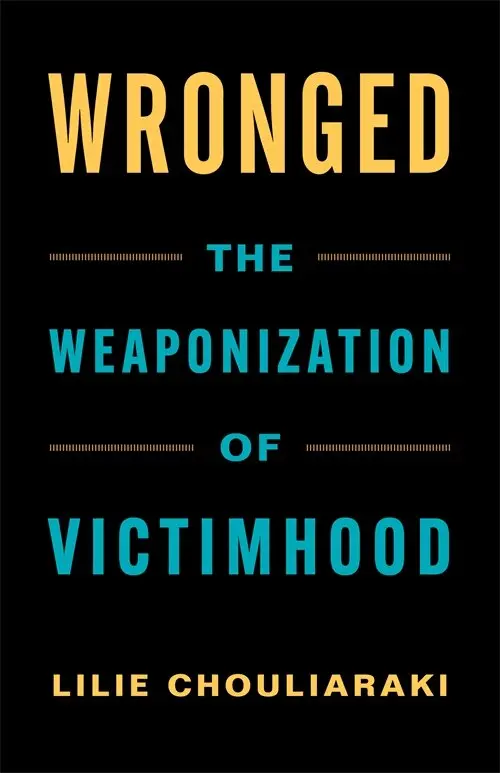
Winner, 2025 Outstanding Book Award, International Communication AssociationCo-Winner, 2025 Best Book Award from the Philosophy, Theory, and Critique Division of the International Communication AssociationWhy is being a victim such a potent identity today? Who claims to be a victim, and why? How have such claims changed in the past century? Who benefits and who loses from the struggles over victimhood in public culture?In this timely and incisive book, Lilie Chouliaraki shows how claiming victimhood is about claiming power: who deserves to be protected as a victim and who should be punished as a perpetrator. She argues that even though victimhood has long been used to excuse violence and hierarchy, social media platforms and far-right populism have turned victimhood into a weapon of the privileged. Drawing on recent examples such as the overturning of Roe v. Wade, movements like #MeToo and Black Lives Matter, and the COVID-19 pandemic, as well as historical ones from the major wars of the twentieth century and the Civil Rights Movement, Wronged reveals why claims of victimization are so effective at reinforcing instead of alleviating inequalities of class, gender, and race. Unless we come to recognize the suffering of the vulnerable for what it is-a matter not of victimhood but of injustice-Chouliaraki powerfully warns, the culture of victimhood will continue to perpetuate old exclusions and enable further injuries.